
Do Budget Airlines Include Bags? The Real Cost
That £19 flight can turn into a £79 flight before you have chosen a seat, bought a coffee or reached the airport. So, do budget airlines include bags? Usually, yes – but only a small personal item that fits under the seat in front. A full-size cabin bag and a checked suitcase are commonly extra, and the price rises the longer you leave it.
That does not make low-cost airlines a rip-off. It just means the headline fare is the starting point, not the final number. If you pack light, fly for a weekend or travel with a compact backpack, budget airlines can still be brilliant value. If you need a suitcase, travelling as a couple or group can make the maths work in your favour too.
What is usually included in a budget airline fare?
On most budget fares, you get one small bag that must fit beneath the seat. Think handbag, laptop bag, slim daypack or a compact rucksack. The exact dimensions and weight limits vary by airline, and they are not suggestions. Gate staff can be strict, particularly on busy flights where overhead locker space is tight.
A typical under-seat allowance is enough for a phone charger, travel documents, a layer, toiletries within liquid rules and a change of clothes. It can also work for a two- or three-night city break if you are willing to repeat outfits and leave the “just in case” shoes at home.
What is often not included is the wheeled cabin case many of us picture when we hear “hand luggage”. That larger bag, usually stored in the overhead locker, may require a priority-style fare or a separate bag add-on. Checked luggage is almost always an extra on the cheapest ticket.
The rule is simple: never assume the allowance you had on your last airline applies to this one. Check the fare conditions attached to the specific flight before paying.
Do budget airlines include bags on UK routes?
The answer is broadly the same whether you are flying from Manchester, Bristol, Edinburgh or London: a personal item is normally included, while larger bags cost extra. But there are meaningful differences between carriers, routes and fare bundles.
Some airlines sell a basic fare with a small under-seat bag, then offer a bundle that includes a larger cabin bag, priority boarding and sometimes seat selection. Others let you buy each item individually. A few fares, particularly on longer European routes or during a sale, may include a cabin bag as part of the ticket. The booking screen is the source of truth, not an advert, comparison site snippet or memory from a previous trip.
Also watch for partner flights. You might book through one airline but fly with another, and the operating carrier’s baggage rules can affect your journey. This matters most when your trip includes a connection, even if the booking process made it look like one tidy itinerary.
A cheap fare is not always the cheapest option
Say a flight is £25 each way, but a cabin case costs £20 each way. Your return fare is now £90 before any other extras. If a competing airline costs £78 return with a standard cabin bag included, the supposedly pricier flight could be better value.
That comparison becomes more interesting with a checked bag. One 20kg suitcase shared between two people can be cheaper than paying for two larger cabin bags, particularly for a week-long beach holiday. Conversely, a solo traveller doing a long weekend may save a surprising amount by taking only a small backpack and wearing their bulkiest items on the plane.
Do not compare flights until you have added the bags you genuinely need. This is the number that belongs in your holiday budget.
How to avoid surprise bag charges
The expensive mistakes happen at the airport. Adding luggage at the bag-drop desk or gate is usually far pricier than doing it online when you book. Measure your bag at home, including wheels, handles and bulging front pockets. Then weigh it when it is packed, not when it is empty.
Four habits prevent most last-minute fees:
- Read the dimensions as well as the weight limit. A light bag can still be too large.
- Add any cabin or checked bag to your booking before online check-in closes.
- Put the airline’s allowance in your notes rather than relying on a vague recollection.
- Leave room for what you buy on holiday, especially if you plan to bring back wine, gifts or a new jacket.
If you are close to the limit, a soft-sided rucksack is generally more forgiving than a hard-shell case. It can compress slightly and is less likely to look absurdly oversized in the airport sizer. That is not permission to force a giant bag into a tiny allowance. Airlines can charge you, and arguing with gate staff is a miserable way to start a trip.
Cabin bag versus checked luggage: which should you pay for?
Pay for a larger cabin bag when you need more than an under-seat backpack but want to avoid baggage reclaim. It is ideal for short breaks, business trips and itineraries with tight connections. Keep valuables, medication, electronics and one change of clothes with you regardless.
A checked bag makes more sense for longer holidays, hiking gear, bulky winter clothing or liquids that exceed airport security limits. It is also useful if you are travelling with children, though families should factor in the extra waiting time at baggage reclaim. If your accommodation is a two-hour coach ride from the airport, dragging a huge suitcase across cobbles may cancel out the joy of bringing six outfit options.
There is a risk trade-off, too. Checked bags can be delayed, particularly when connections are involved. For a wedding, cruise departure or first night somewhere remote, carry the essentials in your personal item. A checked case is convenient, but it should not contain the one thing you cannot replace for 48 hours.
When sharing a suitcase works
Couples and friends often pay less by sharing one checked suitcase, but only if you pack with a little discipline. Divide the space fairly and put a few basics for each person in the other person’s section. If the suitcase goes missing, neither of you is left with only airport clothes.
Check the booking carefully: baggage is sometimes attached to a named passenger, even when the bag itself is shared. You also need to stay within the total weight allowance. Buying one 20kg bag does not mean you can turn up with two 10kg cases.
The packing strategy that makes budget fares worthwhile
The best low-cost airline hack is not a clever checkout trick. It is packing for the trip you are actually taking. A three-night break in Lisbon does not require a different outfit for every meal. Choose clothes that work together, wear your trainers and coat on the flight, and take solid toiletries where possible.
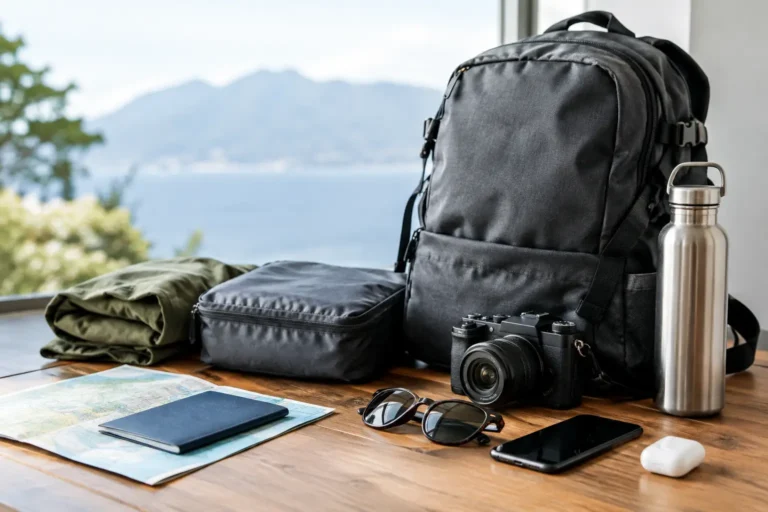
Use a small packing cube or two to keep a backpack organised, but do not let organisers tempt you into bringing more. A refillable water bottle, compact power bank and lightweight tote are useful, provided they all fit inside your permitted bag at boarding. Airlines count bags, not good intentions.
For a one-bag trip, check the weather a few days before departure rather than packing for every possible forecast. One warm layer and a waterproof outer shell cover more ground than a stack of jumpers. Laundry is also an option on longer trips, especially in cities where you would rather spend money on food and experiences than another bag fee.
Check before you book, not while you pack
Budget flying rewards travellers who make one boring check at the right time. Before pressing pay, look at the included bag, the dimensions, the price of adding luggage and the fare bundle directly above yours. Then compare the all-in total against other flight options.
A cheap flight is only a bargain if it suits the way you travel. Pack light when it feels liberating, pay for the suitcase when it removes stress, and spend the saved money on the part of the holiday you will actually remember.