A First-Timer’s Guide to Traveling Solo
The idea of traveling alone can sit somewhere between thrilling and terrifying. On one hand, complete freedom — go where you want, when you want, answer to nobody. On the other, a quiet worry: won’t it be lonely? What if something goes wrong and there’s no one there? I asked myself all of these questions before my first solo trip, and I’ve since watched dozens of friends ask the same ones. Here’s the honest truth on the other side of them: solo travel is one of the most rewarding things you can do, and almost everything you’re nervous about turns out to be smaller than it looks from home.
This guide isn’t about pretending solo travel is effortless. It has its awkward moments and its lonely evenings. But it’s also where a lot of people discover a confidence and freedom they didn’t know they had. If you’re standing at the edge of your first solo trip, here’s what actually helps.
Start somewhere gentle
You don’t have to fling yourself into the most chaotic corner of the world for your first solo trip. In fact, please don’t. Pick somewhere that feels manageable a place where getting around is straightforward, where you can find people who speak a language you know if you need help, and where the general rhythm isn’t overwhelming. Building your confidence on an easier trip means that when you do tackle somewhere more challenging later, you’ll have the experience to handle it. There’s no prize for making your first solo adventure as difficult as possible. Ease into it, and let your comfort grow with each trip.
The loneliness is real, but temporary
Let’s address the big fear directly. Yes, there will be moments — usually in the evening, usually the first day or two — when you feel the weight of being alone. It’s normal, and it passes. What surprised me most about solo travel is how quickly you meet people when you’re on your own. Traveling with a companion, you tend to stay in your own bubble. Alone, you’re far more approachable and far more likely to strike up conversations. Hostels, walking tours, group activities, and simply sitting at a communal table can turn a solo trip into a surprisingly social one. The loneliness you fear rarely lasts, because being alone and being lonely are not the same thing.
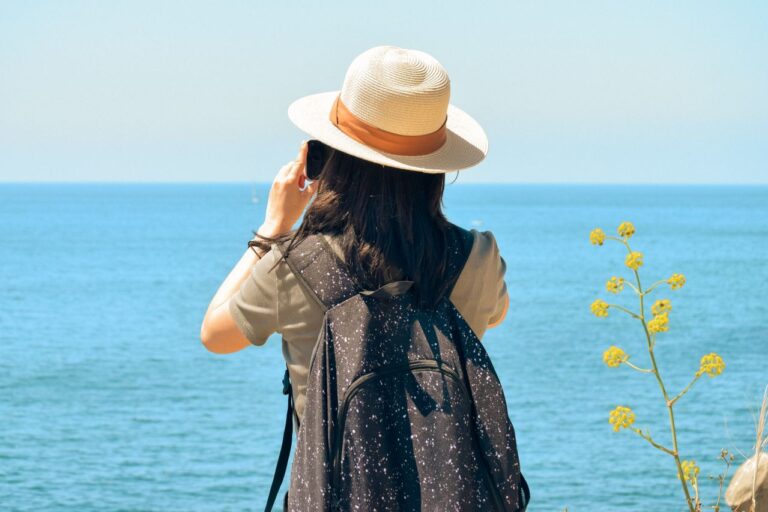
There’s also a quieter benefit hidden inside those solitary moments. When you’re not constantly talking to a companion, you notice more — the details of a street, the way light falls on a building, the small human dramas playing out around you. Some of the richest hours of solo travel are the ones spent simply observing, fully present, with no one to distract you from the place itself. What feels like loneliness at first often reveals itself, given a little time, as a deeper kind of attention you rarely get to give anything.
Book the first night, then stay flexible
Arriving somewhere new and alone for the first time is not the moment to be figuring out where you’ll sleep. Book your first night in advance so you have a clear, calm destination when you land, tired and disoriented. Once you’ve arrived and gotten your bearings, you can loosen up and let the trip unfold more spontaneously. This small piece of planning removes an enormous amount of first-day anxiety. The freedom of solo travel is wonderful, but a soft landing on day one lets you actually enjoy that freedom instead of being paralysed by it.
Trust yourself on safety
Safety is the concern people raise most, and it deserves a sensible answer rather than either panic or dismissal. The reality is that most places are far safer than the fearful headlines suggest, and ordinary caution goes a long way. Keep people back home loosely informed of where you are. Don’t broadcast that you’re alone to strangers you’ve just met. Trust the instinct that tells you a situation feels off, and don’t worry about seeming rude to protect yourself. Keep your valuables spread out and secured. None of this needs to consume your trip it becomes second nature quickly but a baseline of awareness lets you relax into everything else.
Learn to enjoy your own company
Here’s the unexpected gift of solo travel: it teaches you to be genuinely comfortable alone, and that’s a skill that improves the rest of your life. Eating alone at a restaurant, wandering a museum at your own pace, sitting in a cafe watching a new city move around you these things feel strange at first and then become deeply pleasant. There’s a particular freedom in following only your own curiosity, lingering where you want and leaving when you’re done, with no one to consult or compromise with. Many people finish their first solo trip having discovered that their own company is far better than they’d feared. That discovery alone is worth the trip.
Say yes more than you would at home
Solo travel opens up naturally when you say yes to things. An invitation from someone you met at your accommodation, a spontaneous day trip, a conversation with a stranger, a local festival you stumbled upon these are the moments that turn a solo trip into a story. When you’re alone, you have the flexibility to seize these opportunities without negotiating with anyone. Obviously keep your wits about you, but within the bounds of good sense, lean toward yes. The best experiences of solo travel almost always come from the plans you didn’t make, the doors you walked through simply because you were free to. A companion, however lovely, is also a vote you have to win before every spontaneous decision. Alone, the only vote is yours, and that freedom to say yes on the spot is one of the underrated joys of traveling by yourself.
Give yourself permission to have quiet days
There’s a subtle pressure, when traveling alone, to make every moment count, to constantly be out seeing and doing. Resist it. Some of the nicest parts of a solo trip are the slow mornings, the afternoons spent reading in a park, the evenings where you do nothing much at all. You’re not obligated to fill every hour with sightseeing. Traveling alone means you can rest exactly when you need to, and honouring that makes the whole trip more sustainable and more enjoyable. A quiet day isn’t a wasted day; it’s part of what makes solo travel feel like a break rather than a marathon.
You’ll come back different
The thing nobody quite prepares you for is how much a solo trip can change you. Navigating a foreign place entirely on your own, solving every problem yourself, meeting people without the safety net of a companion it builds a quiet, durable confidence that follows you home. You return knowing, deep down, that you can handle yourself, and that knowledge subtly reshapes how you approach everything else. That’s the real reason solo travel is worth the initial nerves. It’s not just a holiday; it’s a way of finding out that you’re more capable, more resourceful, and better company than you ever gave yourself credit for. Book the trip. The version of you that comes home will be grateful you did.