
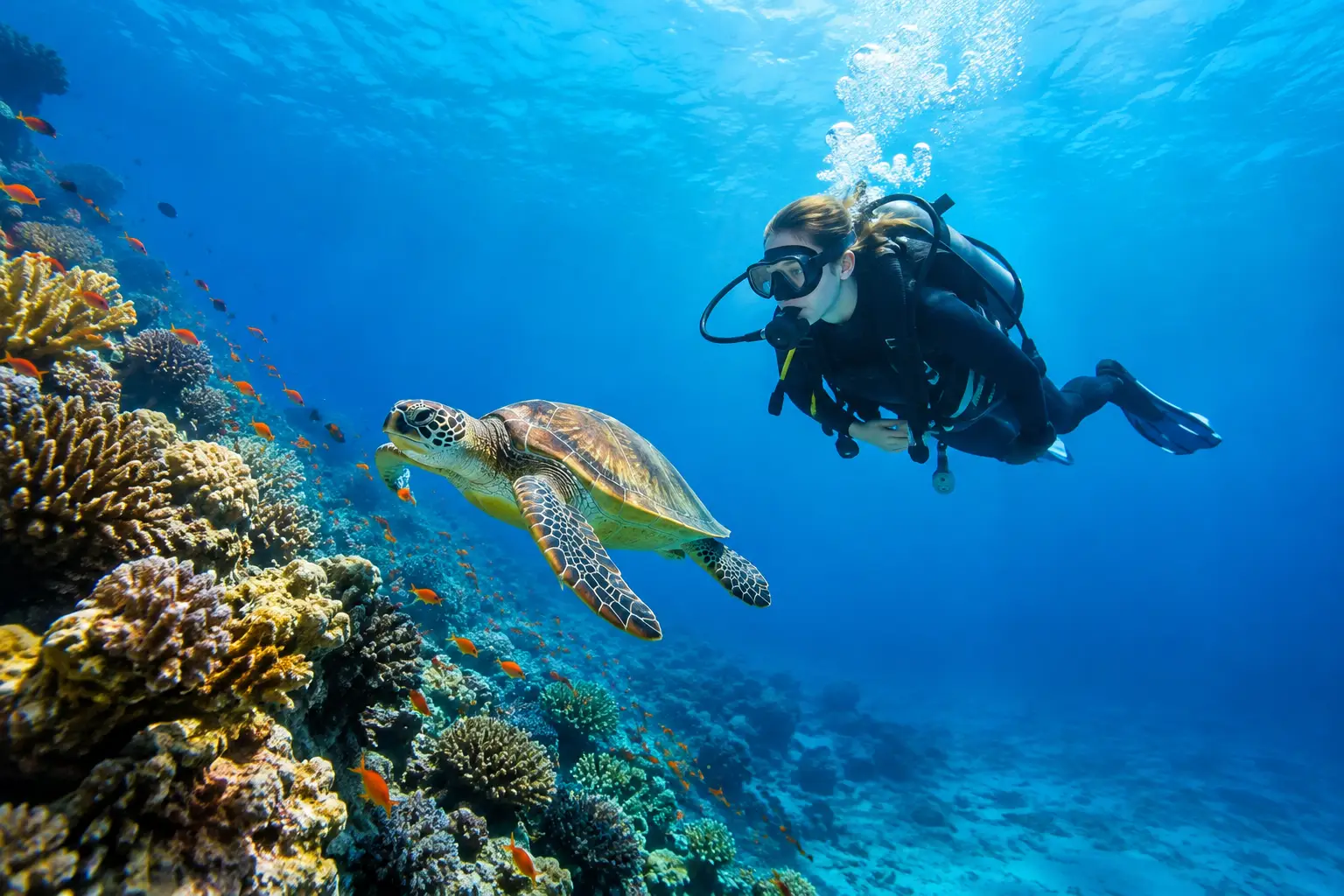
9 Best Scuba Diving Holidays Worth Planning
A bad diving holiday is not usually bad because the sea was empty. It is bad because someone booked a cheap flight, spotted a pretty reef photo, then realised the water is rough, the visibility is poor, or every worthwhile dive costs extra. The best scuba diving holidays make the underwater experience fit the rest of your trip: your budget, confidence level, travel time and appetite for early starts.
For UK travellers, that normally means choosing between an easy warm-water escape, a proper big-animal adventure or a liveaboard that puts diving ahead of everything else. None is automatically better. A week in Egypt can deliver more relaxed, affordable diving than a far-flung bucket-list trip. On the other hand, if you are going to cross the world for manta rays or hammerheads, it is worth doing it properly.
1. Egypt: the best-value warm-water diving holiday
The Red Sea remains hard to beat for price, flight time and consistently colourful reefs. Sharm el-Sheikh, Hurghada and Marsa Alam all work well for a week away, with direct flights from the UK often making the logistics far easier than long-haul alternatives.
Beginners tend to get on well with Sharm or Hurghada, where local dive centres run daily boat trips and many hotels have house reefs. Marsa Alam is quieter and a better bet if you care more about reefs, turtles and dugongs than nightlife. Conditions are generally good year-round, though winter water can feel chilly after several dives, so hire or pack the right wetsuit.
The trade-off is that popular sites can be busy, especially during school holidays. Check whether your package includes equipment hire, marine park fees and transfers. A headline price can look brilliant until those small daily extras start stacking up.
2. Maldives: the easy choice for manta rays and reef sharks
The Maldives is one of those places that genuinely looks like the brochure, but it is not just for honeymooners staying in water villas. Local islands such as Maafushi and Dhigurah can bring the cost down considerably, while still giving you access to excellent dive sites.
This is a strong option for confident beginners and intermediate divers who want clear water, warm conditions and the chance of memorable wildlife without technical diving. Expect reef sharks, turtles, eagle rays and, in the right season and at the right sites, manta rays and whale sharks.
Resort islands are convenient but expensive, and diving packages can vary wildly in value. Local-island stays are cheaper and feel more independent, though alcohol restrictions and a more conservative local culture mean they are not identical to a resort break. Plan around monsoon patterns too: visibility and wildlife encounters shift between atolls and seasons.
3. Indonesia: for serious variety without one-size-fits-all diving
Indonesia is not one destination in practical terms. Bali, Komodo, Raja Ampat and the Gili Islands offer very different holidays, prices and diving styles. That is precisely why it is one of the best scuba diving holidays for people who have already done the standard Red Sea week and want something with more character.
Bali is the easiest starting point. You can combine diving around Amed, Tulamben or Nusa Penida with temples, food and a few days away from the sea. Tulamben is especially friendly for newer divers thanks to the USAT Liberty wreck, while Nusa Penida is famous for manta rays and seasonal mola mola sightings. Be honest about currents, though. Some sites are not a casual first-day dive.
Komodo offers dramatic scenery above water and excellent current-driven diving below it, usually from a liveaboard or multi-day boat trip. Raja Ampat is the bigger commitment: spectacular biodiversity, remote logistics and a price tag to match. It is worth it for experienced divers who want reefs that feel properly alive, but it is not the place to squeeze into a ten-day annual leave window if you hate complicated transfers.
4. Mexico: cenotes, reefs and a proper land-based trip
Mexico gives you two very different reasons to pack a mask. Around Playa del Carmen and Cozumel, you get Caribbean reefs, turtles and easy access to shore-based hotels, restaurants and beaches. Inland, the Yucatán’s cenotes offer freshwater cavern and cave environments unlike anything in the sea.
Cenote diving needs good buoyancy, calm nerves and a reputable guide. Cavern dives are accessible to many certified divers, but full cave diving is specialist territory and should not be treated as a holiday add-on. If a centre seems relaxed about experience requirements, go elsewhere.
Cozumel is often the better reef choice for drifting over healthy coral, while Playa del Carmen adds a livelier base and seasonal bull shark dives for experienced divers. The obvious downside is the long-haul flight from the UK. Make it worthwhile by staying at least ten nights or combining diving with a few slower days around the Yucatán.
5. The Philippines: brilliant reefs for a sensible budget
The Philippines rewards travellers who can tolerate internal flights, ferry timetables and the odd plan change. In return, it offers excellent value, friendly dive operations and an enormous range of marine life.
Moalboal is famous for its sardine run, which is unusually accessible and impressive even for relatively new divers. Dauin is a strong choice for muck diving, where the appeal is finding weird, brilliantly camouflaged creatures on dark volcanic sand. Malapascua is the name to know for thresher sharks, usually seen on early-morning dives.
Getting between islands takes time, so do not try to cover four dive regions in one fortnight. Pick one or two bases and let the holiday breathe. This is also a destination where a little flexibility helps: weather and boat schedules do not always respect your carefully colour-coded itinerary.
6. Galápagos: the big-animal trip for experienced divers
Galápagos is expensive, demanding and absolutely not the holiday to choose because you fancy learning to dive. It is, however, extraordinary for qualified divers comfortable in current, colder water and occasionally challenging conditions.
The draw is scale: schooling hammerheads, sea lions, turtles, marine iguanas, rays and, depending on itinerary and season, whale sharks. A liveaboard is often the best way to reach the more remote, wildlife-heavy sites, particularly around Darwin and Wolf islands.
You will pay for it. Flights, park fees, liveaboards, tips and hire equipment can turn this into a significant trip. Build in a contingency budget and do not book based solely on the lowest advertised boat price. Safety standards, guide ratios, itinerary flexibility and the vessel’s maintenance record matter far more when you are far from shore.
7. Malta and Gozo: the practical Mediterranean option
If you want a shorter, simpler escape with wrecks, caves and clear summer water, Malta and Gozo make a lot of sense. They are particularly good for UK divers who want to build experience abroad without committing to a long-haul flight or an expensive liveaboard.
The underwater landscape is more about rock formations, arches and deliberately sunk wrecks than tropical coral. Water temperatures are warmest from late summer into autumn, while spring can be quieter and cheaper but needs a thicker wetsuit. Many sites are shore dives, which keeps costs manageable and gives your days a pleasingly independent rhythm.
This is a sensible choice for a mixed group too. Non-divers have historic towns, swimming spots and good food to get on with, rather than spending a week parked beside a dive centre.
How to choose between the best scuba diving holidays
Start with your certification and recent experience, not your dream species. A traveller with ten warm, easy dives should not be pressured into a high-current shark itinerary simply because it looks impressive online. Refresher dives are worth doing if you have been out of the water for a year or more. They are cheaper than ruining the first days of a big trip by feeling rusty.
Then look at the full cost. For a realistic comparison, include flights, accommodation, dive packages, equipment, marine fees, tips, insurance and internal transfers. Liveaboards can look expensive but may include food, accommodation and multiple dives a day. A cheap resort stay can become pricier once you add daily boat trips.
Finally, think about what happens between dives. Surface intervals are part of the holiday. Egypt works well if you want straightforward sun and easy logistics. Indonesia and the Philippines suit travellers happy to move around and accept a bit of friction. Malta is great when annual leave is tight. Galápagos is for the trip you plan around, save for and remember for years.
Book the diving around conditions, not just the cheapest dates, and leave a sensible no-fly buffer after your final dive. The reef will still be there tomorrow. Your flight home is far less flexible.