Beginner White Water Rafting Trips Made Simple
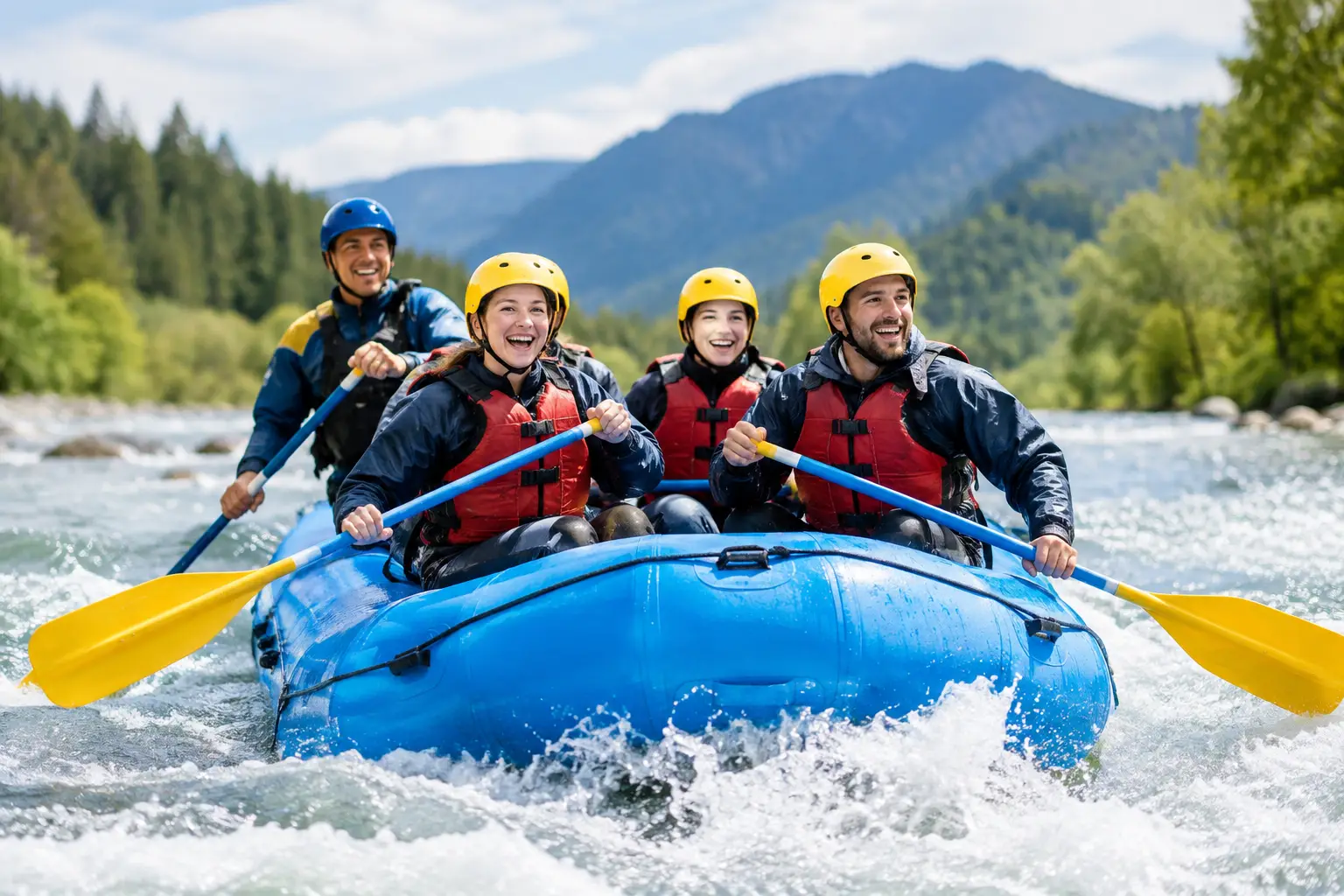
A raft hits its first proper wave and, for a second, everyone stops looking like they know what they are doing. That is the point. Beginner white water rafting trips are thrilling because they feel just wild enough without requiring you to be an outdoor hero, provided you pick the right river and listen when the guide starts shouting.
Rafting is one of the easier adventure activities to try with friends, a partner or on a solo trip. You do not need to own specialist kit, have elite fitness or know how to paddle before you arrive. But a low-grade trip is not the same as a risk-free float. The good days are built on sensible choices: a reputable operator, conditions that suit your confidence, and clothes you are happy to get thoroughly soaked in.
What makes a rafting trip beginner-friendly?
A genuinely beginner-friendly rafting trip usually runs on Grade I to Grade III water. River grades describe the technical difficulty of rapids, not how much fun you will have. Grade I is moving water with small waves and minimal obstacles. Grade II adds straightforward rapids requiring basic manoeuvring. Grade III is where many first-timers find the sweet spot: bigger waves, more splashing and enough action to make you work together, while remaining manageable with a qualified guide and safety crew.
Grade IV and above are a different proposition. They can be brilliant for experienced paddlers, but they demand faster decisions, stronger swimming confidence and comfort around powerful, turbulent water. Do not book a harder trip because the photos look better. A nervous group on a river beyond its level tends to spend the day bracing for disaster instead of enjoying it.
The wording used by operators matters. Look for clear statements such as no previous experience needed, guided Grade II-III rafting, or suitable for confident beginners. Read the minimum age, swimming and weight requirements too. Some rivers are suitable for non-swimmers wearing buoyancy aids; others require participants to be able to swim. Neither policy is automatically better, but it needs to match your group.
River conditions can change the whole experience
A Grade II river in a dry spell may feel playful. After heavy rain, the same stretch can run faster, colder and more serious. Good operators assess water levels daily and may alter the route, postpone the activity or cancel entirely. It is frustrating when you have planned a weekend around it, but it is also a sign that they take safety seriously.
Ask what happens if conditions change. Will you be offered an alternative activity, a new date or a refund? For a short UK break, this detail can save a lot of last-minute frustration.
Choosing beginner white water rafting trips without guessing
Start with the experience you actually want. If your group wants a sociable, active afternoon and a few memorable photos, a half-day guided trip is usually enough. It is easier on the budget, requires less logistics and leaves room for a pub meal or another activity afterwards. A full day makes more sense if the river journey itself is a major part of the holiday, or if you are travelling to a rafting destination specifically.
For UK travellers, Scotland and Wales are common starting points because they offer dramatic scenery and reliable adventure infrastructure. Rivers in the Alps, Slovenia, Montenegro, Costa Rica and New Zealand can be excellent additions to a wider trip, though transport to the launch point and seasonal river levels need more thought. A cheap-looking raft trip can become expensive once you add a hire car, transfers, accommodation and the fact that you need to arrive dry enough to enjoy dinner afterwards.
When comparing operators, do not settle for a vague promise of adrenaline. Check what is included in the price. Most reputable trips provide the raft, paddle, helmet, buoyancy aid and wetsuit or splash jacket when needed. Some include wetsuit boots, while others expect you to bring old trainers that can get wet. Photos, transfers and insurance are often extra.
Also check group size. Bigger rafts can be lively and social, but a smaller group may get more hands-on guidance. If you are nervous, tell the operator before booking rather than hoping it will somehow sort itself out on the river. Guides deal with anxious first-timers constantly and can explain the pace of the trip honestly.
The safety briefing is not the boring bit
Most rafting mishaps become less dramatic when people know what to do before they happen. Pay attention during the briefing, even if half your group is busy adjusting their helmet for pictures.
Your guide will cover paddle commands, where to sit, how to hold the paddle and what to do if you fall in. The key point is simple: do not stand up in moving water. Keep your feet up and downstream, float on your back in the defensive swimming position, and follow the guide’s instruction. Standing can trap a foot between rocks or on the riverbed, which is exactly the situation you want to avoid.
You will also learn how to pull someone back into the raft. It is more physical than it looks, but you are not expected to perform a flawless rescue. The crew works as a team and the guide directs it. Your job is to stay calm, keep hold of your paddle where possible and react to instructions quickly.
Be honest about medical conditions, injuries and medication. This is not paperwork for paperwork’s sake. A guide needs to know if a shoulder injury makes hard paddling difficult, if asthma is triggered by cold air, or if you are managing a condition that could affect you in cold water. Pregnancy, recent surgery and serious heart conditions can rule out rafting or require medical advice first.
What to wear and bring
The goal is warmth, movement and nothing that becomes unpleasantly heavy when wet. In cooler UK conditions, the operator may supply a wetsuit, cagoule and boots. Wear swimwear or thin sports clothing underneath. Avoid cotton T-shirts and hoodies: they stay wet, cold and miserable.
Bring a towel, dry underwear, and a full change of clothes for after. Leave valuables in a secure place rather than assuming a dry bag makes your phone invincible. If glasses are essential, use a retaining strap. Contact lenses are generally easier, although water and wind can still be irritating.
For sunnier destinations, use water-resistant sun cream before you get on the river. Sunburn is surprisingly easy when sunlight reflects off the water, and you will be too busy paddling to notice it happening. A secure hat may be allowed on calmer sections, but helmets take priority whenever the guide says so.
How fit do you need to be?
You do not need to be a gym regular. You do need to be capable of sitting securely, listening, leaning, paddling in short bursts and getting yourself back into a raft with assistance. A half-day beginner trip can leave your shoulders and core feeling worked, especially if the water is lively, but it should not feel like military training.
The bigger consideration is confidence in water. You may never fall in, particularly on a gentle route, yet you should book on the basis that you could. If deep water makes you panic, choose a very easy grade, speak to the operator in advance, or start with a calmer canoe, kayak or coasteering session where the environment feels less intense. There is no prize for forcing yourself into the wrong activity.
Make the day better for the whole group
Rafting can expose group dynamics with impressive speed. One person wants maximum chaos; another quietly wishes they had booked a spa. Sort that out before paying a deposit. Agree whether the priority is scenery, laughs, big rapids or simply trying something new together.
Eat a light meal beforehand and avoid turning up hungover. You will feel colder, slower and less pleased with every instruction. Arrive early too. Rushing through forms, changing in a car park and missing the first part of the briefing is an avoidable way to start an activity designed around preparation.
If you are travelling with a partner, remember that barking paddle commands at each other rarely improves either the raft or the relationship. Let the guide lead. Then save the competitive energy for comparing who screamed first when the raft hit a wave.
A good first raft trip should leave you damp, tired and slightly smug, not overwhelmed. Pick the easier option if you are torn, take the briefing seriously and let the river be the exciting part rather than the planning gamble.