
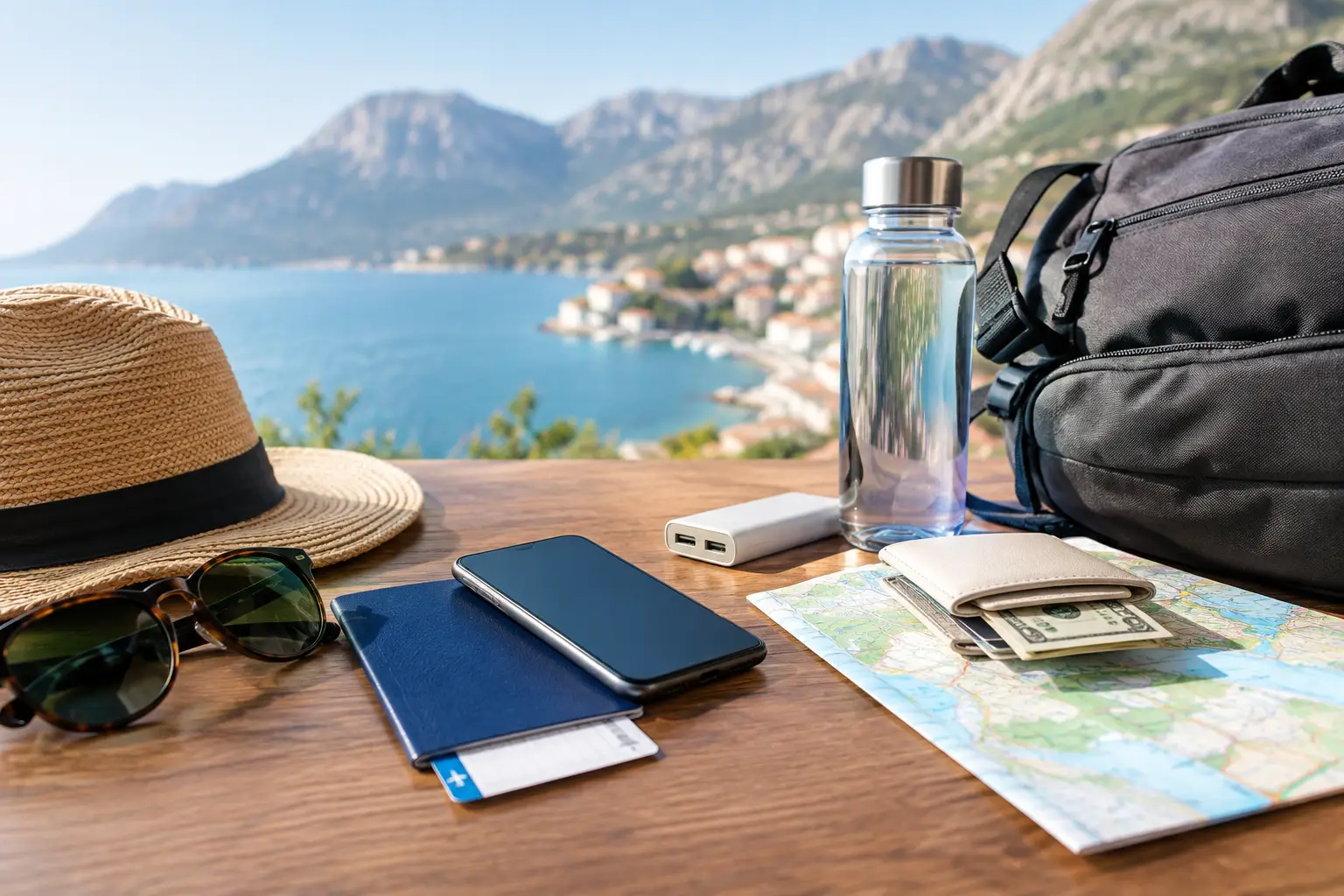
12 Easy Smart Travel Tips That Save Time and Cash
The trip rarely goes wrong because you forgot a picturesque café or missed one museum. It goes wrong because you booked a 6am flight from an airport that costs £45 to reach, packed for every weather event, or planned so much that one delayed train wrecks the whole day. These easy smart travel tips are about removing that sort of friction – so your holiday feels more like an escape and less like unpaid admin.
Easy smart travel tips for planning without the panic
1. Price the whole journey, not the headline fare
A £29 flight can become a £110 flight remarkably fast once you add baggage, seat selection, airport transport and a late-night taxi at the other end. Before booking, put every unavoidable cost in one note and compare the actual totals.
For UK travellers, this matters particularly when choosing between London airports. A flight from Stansted may look cheaper than one from Heathrow, but not if you live in south-west London and need an expensive train plus a pre-dawn wake-up. The cheapest ticket is not always the best deal. Sometimes paying £20 more buys you two extra hours in bed and a much calmer start.
2. Choose dates before you get emotionally attached to a destination
Most people pick a place, then hunt for cheap flights. Try the reverse when your holiday dates have any flexibility. Look across a few destinations and nearby departure airports, then see where the fares, accommodation and weather line up.
You do not need to chase the absolute lowest price. A cheaper city break during a big festival, school holiday or major football fixture can leave you paying far more for a mediocre hotel. Check what is happening locally before you commit. The right week can matter more than finding a clever booking trick.
3. Build a first-day plan with almost no ambition
Landing days are where optimistic itineraries go to die. Delays happen, bags take time, airports are confusing and you may be running on a meal deal and three hours of sleep. Book or research your transfer, know how you will enter your accommodation, and pick one easy thing to do nearby.
That might be a neighbourhood walk, a market, a pub dinner or an early night. It is not wasted time. It gives you room to arrive properly, which usually makes the rest of the trip better.
4. Keep your bookings in one place you can access offline
A beautiful colour-coded spreadsheet is useful until you are on weak airport Wi-Fi, your battery is at 4%, and the booking email has vanished into a packed inbox. Save confirmation numbers, addresses, flight times and transport details in one simple document on your phone. Download maps for each area you will stay in too.
Take screenshots of anything that matters: accommodation check-in instructions, rail tickets, transfer meeting points and insurance details. This is not glamorous travel planning, but it is the kind that prevents a stressful hour outside a locked building.
Spend less without turning your holiday into a budgeting exercise
5. Set a daily spending figure, then leave some room for real life
A total trip budget is useful, but a daily figure is easier to act on when you are standing outside a restaurant deciding whether the view is worth it. Split your money into fixed costs – flights, beds, major transport and pre-booked activities – and daily spending for food, local travel and spontaneous plans.
Do not make the daily number so tight that you resent every coffee. A small contingency pot is what lets you say yes to a last-minute boat trip, replace a broken charger or take a taxi when walking home does not feel sensible. Budget travel is about choosing where the money goes, not pretending surprises do not exist.
6. Use cash strategically, not nostalgically
Cards are convenient, but they are not accepted everywhere and they can make spending feel invisible. Carry a modest amount of local cash for small shops, tips, markets and backup. Do not arrive with your entire holiday budget in notes, though. That is an avoidable risk and a pain if it goes missing.
Before you leave, check your bank’s fees and make sure you have a second way to pay. Keep your backup card separate from your main wallet. If one is lost, swallowed by a cash machine or blocked by your bank, you have not suddenly become dependent on a friend or a frantic call home.
Not sure how to organise your travel money? The Travel Money Guide for UK Travellers can help you prepare before you go. Take a look if you’d like more guidance on managing money for your next trip.
7. Stay slightly outside the obvious tourist centre
The postcard-famous square is convenient, but it can also be noisy, pricey and surrounded by restaurants serving food designed for tired visitors rather than locals. Staying one or two metro stops away often gets you a bigger room, better cafés and a more convincing sense of the city.
There is a trade-off. If you only have 48 hours and plan to be out late every night, central may be worth the premium. Check the final journey back after dark before booking anywhere cheaper. A bargain flat that needs three changes on a sparse night bus is not always a bargain.
Pack for the trip you will actually take
8. Pack around repeat outfits, not individual days
Overpacking starts when every day gets its own outfit, shoes and hypothetical emergency layer. Choose a small colour palette, take pieces that work together and assume you can wear trousers, jumpers and jackets more than once. Nobody is tracking your wardrobe in Lisbon, Glasgow or Bangkok.
The real test is whether you can carry your bag upstairs, across cobbles and through a crowded station without hating it. If you can travel with hand luggage only, great – but do not force it for a two-week winter trip just to win an imaginary packing contest. The smart option is the one that makes moving around easier.
9. Put the first 24 hours in your personal item
Your main bag may be delayed, left in a taxi or temporarily inaccessible in an overhead locker. Keep medication, a charger, valuables, a spare top, underwear, basic toiletries and any essential documents in the bag that stays with you.
This also makes a long layover far less grim. Freshening up and changing your T-shirt after an overnight flight can improve your mood more than another expensive airport coffee ever will.
Travel confidently without acting invincible
10. Research the boring bits before the fun bits
Knowing which gallery needs timed entry is helpful. Knowing how to get from the airport after midnight, whether tap water is safe, what local scams are common and what neighbourhoods feel uncomfortable after dark is more useful.
For solo travellers especially, confidence comes from having a basic plan, not from pretending nothing can happen. Tell someone where you are staying, share your rough itinerary, and trust the feeling that says a situation is getting odd. You do not need proof that something is wrong to leave.
11. Leave space between the things you have paid for
An itinerary packed with timed tickets looks efficient until transport runs late or you discover you want to linger somewhere. Aim for one main anchor each day: a museum, tour, hike, food booking or train journey. Everything else can sit around it.
This approach also helps couples travel better together. One person may want to cover every landmark while the other wants a slow breakfast and an unplanned wander. Agree on the non-negotiables, then protect some separate time or flexible time. You are travelling together, not applying for a logistics award.
12. Decide what would make the trip feel successful
Before you go, write down three things you genuinely want from the holiday. Perhaps it is eating brilliant local food, seeing a particular landscape, resting properly, or proving to yourself that you can take a first solo trip. That short list is a useful filter when you are tempted to add another attraction simply because it is famous.
The most memorable trips are rarely the ones where every hour was optimised. They are the ones where the practical details were handled well enough for you to notice what was happening around you.
A smart trip is not one where nothing goes wrong. It is one where a delayed flight, a rainy afternoon or a wrong turn does not steal the whole experience. Plan the foundations, keep a little money and time in reserve, then give yourself permission to follow the good surprises.
Need a little more help planning your trip?
You don’t have to work everything out at once. Start with your next trip and use these tips to make a few practical changes.
If you’d like a guide to work through as you prepare, take a look at The Smart Travel Handbook. It’s a useful next step if you want more support with planning and feel unsure where to begin.