
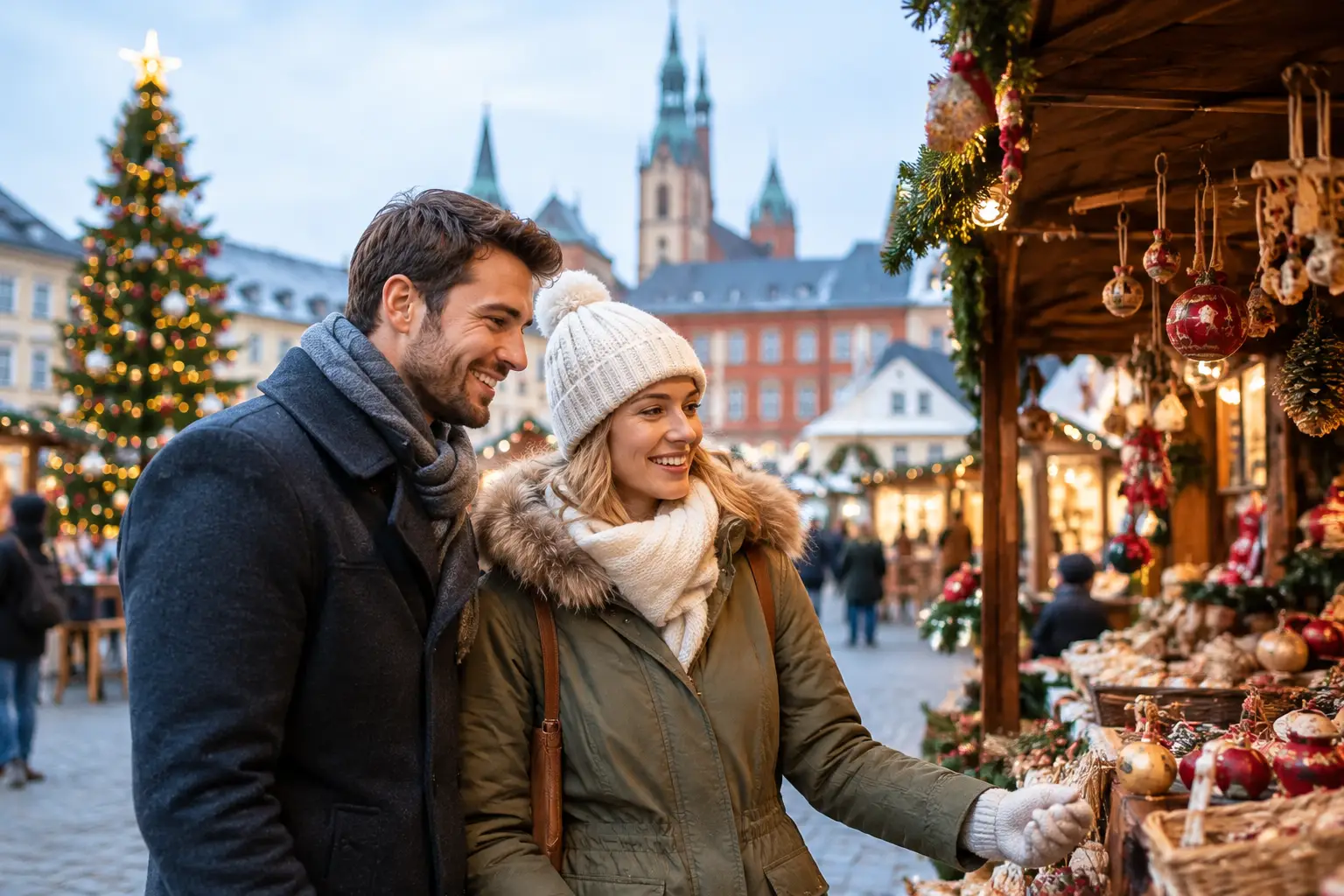
Christmas Market Trips Actually Worth the Money
A Christmas market can be brilliant: cold hands wrapped around a hot drink, an old square lit up properly, dinner chosen by smell rather than a restaurant ranking. It can also be a £300 flight, a packed city centre and a tiny hotel room nowhere near the action. The difference usually comes down to timing and expectations, not whether you picked the ‘right’ city.
Pick a Christmas market city for the trip you want
Big-name markets earn their popularity. Cities such as Vienna, Prague, Cologne and Strasbourg have the grand buildings, dense festive atmosphere and enough stalls to fill a long weekend. They also come with peak-season prices and crowds that can make a Saturday evening feel like a slow-moving queue for mulled wine.
If this is a first festive break as a couple or with friends, a famous city can still be worth it. There is less planning involved, public transport is straightforward and there is plenty to do when everyone has had their fill of cinnamon biscuits. Just do not expect a quiet, hidden-gem experience in the most photographed square at 7pm.
For a cheaper or calmer trip, look at smaller cities with a strong old town and decent flight connections. Think of a market as one part of a winter city break, rather than the entire itinerary. A walkable centre, good local food, museums, viewpoints and a day trip option matter far more than the number of wooden chalets.
Go at the right time, not just the right place
The first two weeks of December are often the sweet spot. Markets are fully open, festive lights are on, and accommodation is usually less punishing than the final weekend before Christmas. Weekdays are better still, particularly if you want photos without ten strangers in every frame.
Avoid assuming every market runs right up to Christmas Eve. Some finish around 22 or 23 December, while others continue into the New Year. Opening days and hours can change, especially around local holidays, so check the official market dates before booking non-refundable flights.
Late November has a different appeal. It is usually easier on the budget and feels more local, but a few stalls may not have opened in the first days. If the markets are the main reason for going, give them at least a week to get going.
Budget for the things that sneak up on you
The flight is not always the expensive bit. Christmas market breaks have a talent for making small spends feel harmless until you check your banking app on the way home. A hot drink here, a snack there, an ornament you absolutely do not need, then taxis because your hotel is outside the centre.
Set a daily food-and-drink amount before you go. Around £35 to £60 per person can be realistic in many European cities if you are grazing at stalls, having drinks and eating one proper meal. It depends heavily on the destination: Switzerland, Scandinavia and central Vienna will test a tight budget faster than Poland, the Czech Republic or parts of Germany.
Also factor in the mug deposit. Many markets serve drinks in a reusable souvenir cup and add a refundable deposit to the first price you see. Return it when you are done if you want the cash back. Keep it if you genuinely want a memento, not because you forgot it was in your coat pocket.
Choose accommodation by transport time, not pin-drop distance from the main square. Staying 15 to 25 minutes out on a direct tram or metro line can save a meaningful amount, especially at weekends. What is not worth saving is an hour-long journey home after a cold evening, or relying on late-night taxis when demand is high.
A smarter way to plan each day
Arrive at the main Christmas market in daylight. You can get your bearings, see the architecture and identify the stalls you actually want to revisit once the lights come on. Then leave the central square for an hour or two at peak time. Have dinner in a neighbourhood restaurant, visit a museum or walk a quieter side street before returning later.
This simple approach stops the trip becoming four hours of shuffling through the same crowd. It also gives you room to try regional food beyond the predictable sausage-and-sweets circuit. Ask for local specialities, and be open to a market that serves savoury dishes you have never heard of. That is usually where the memorable meal is hiding.
If you are travelling solo, markets are generally easy places to enjoy independently. Stay aware of your belongings in dense crowds, avoid carrying every bank card in one bag and make sure your route back to the hotel feels comfortable. The atmosphere can be sociable without requiring you to manufacture a group itinerary.
Do not force the perfect festive break
A Christmas market trip is best when it has a little breathing room. Rain happens. The famous stall might sell the same mass-produced decorations as the next ten. Your partner may be done after two hours while you want to inspect every cheese counter. None of that means the holiday has failed.
Book the practical bits early, leave a pocket of time unplanned and treat the market as the setting rather than the checklist. The best moment may be the one you did not schedule: finding a warm bar off the square, catching a choir in a church, or walking back through a city that suddenly feels made for winter.
Found your Christmas market? Find your festive escape
Once you’ve chosen a market you’d love to visit, the next step is deciding how to enjoy it. Would you prefer a short break, a festive cruise or a longer Christmas holiday?
Our guide, Christmas Market Getaways: Find Your Festive Escape, brings together getaway ideas and practical tips to help you compare options, check what’s included and make room for experiences you’ll remember long after the lights come down.