
How to Travel With Medication Without Airport Stress
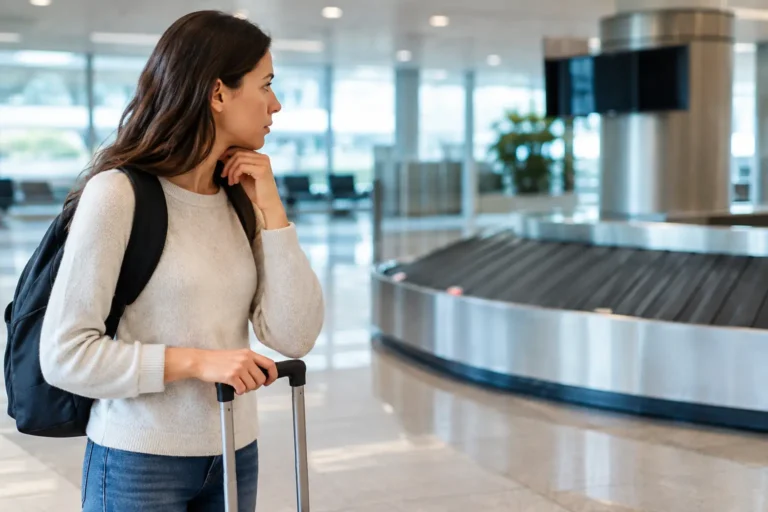
A delayed flight is annoying. A delayed flight when your medication is in a suitcase somewhere beneath the aircraft is a problem you did not need. Knowing how to travel with medication is less about buying fancy organisers and more about keeping essential treatment accessible, correctly labelled and backed up if plans go sideways.
The good news is that most people can travel with prescription medicines without drama. The catch is that airport security, airline rules and import laws are not the same thing. A bottle that is completely routine at your GP surgery can cause questions at a border, particularly if it is a controlled drug, injectable medicine or contains ingredients restricted in your destination.
How to travel with medication: start before you pack
Check the rules for every country on your itinerary, not only where you are spending the most time. That includes places where you change planes. Some medicines that are legal on prescription in the UK are restricted or banned elsewhere, and the rules can be particularly strict in parts of the Middle East and Asia.
Look at official destination guidance, then confirm anything unclear with the embassy or consulate of the country you are visiting. Do this early, ideally several weeks before departure. If you take a controlled medicine, such as certain strong painkillers, ADHD medication or anxiety medication, you may need a licence or official permission before travelling. Do not assume a prescription alone settles it.
Ask your GP, pharmacist or prescribing clinic for a signed letter. It should state your name, the medicine’s generic and brand name, dosage, why you need it, and the quantity you are carrying. For complex conditions, a short treatment summary is useful too. It saves you trying to explain a medical history at an airport desk when you are tired, stressed and being asked to move along.
There is a practical trade-off here. Carrying several months of medication might feel safest, but some countries limit how much you can bring in. Many allow up to 30 days’ supply, though this varies. Take only the amount permitted, plus a sensible buffer where rules allow, and arrange how you would access more if you are away for longer.
Keep essential medication in your hand luggage
Put all essential medicines in your hand luggage, even if you usually travel light and hate carrying another bag. Checked luggage can be delayed, misplaced, exposed to temperature changes or simply inaccessible during a long layover. Your daily medication, rescue medication and anything that cannot be easily replaced should stay with you.
Keep medicines in their original pharmacy packaging with the dispensing label intact. A weekly pill box is handy once you arrive, but it is not the best way to cross a border with a bag of unidentified tablets. Original packaging gives security staff and customs officials the quickest, clearest answer to what they are looking at.
Your small medication kit should contain:
- enough medication for the full trip, plus extra doses for delays or a lost bag
- your prescription, GP letter and any destination-specific permit
- a copy of the details stored separately from the originals
- relevant medical items, such as inhalers, insulin needles, EpiPens or glucose-testing supplies
If you are travelling with a partner or friend, splitting a portion of your supply between two hand-luggage bags can be sensible. Do not split it so widely that neither of you has enough for a few days if separated, but a backup can be a lifesaver if one bag is stolen.
Airport security and liquid medicine rules
UK airport security rules on liquids can vary by airport as new screening equipment is introduced, so check your departure airport’s current guidance before setting off. In general, medically necessary liquids can be carried in quantities above the usual cabin liquid limit, but you should declare them at security and keep them easy to reach.
This can include liquid medicines, creams, gels, cooling packs and liquid nutritional supplements required for a medical reason. Keep supporting documents with the items, although security staff may not always ask to see them. Allow extra time rather than turning up at the last minute and hoping a queue will be sympathetic.
Needles and syringes are usually permitted when they are needed for prescribed treatment, but the same common-sense rule applies: carry them with the medicine, in original packaging where possible, plus your letter. Some airlines have their own procedures for sharps disposal during a flight. If you inject medication, tell cabin crew discreetly if you need help or a safe disposal option.
Temperature-sensitive medication needs a real plan
Medication that needs refrigeration is where casual advice gets risky. Insulin, some biologic drugs, certain eye drops and injectable treatments may need to stay within a specific temperature range, but freezing can be as damaging as overheating. “Keep cool” is not precise enough.
Read the patient leaflet for your exact medicine and ask your pharmacist what it can tolerate during travel. Some medicines can remain at room temperature for a limited period once in use; others need a proper cool bag. Use an insulated medication travel case with cooling packs designed not to freeze the contents, rather than placing medicine directly against an ice pack.
Do not put temperature-sensitive medicines in checked baggage or the aircraft hold. On the plane, keep them under the seat in front of you where you can monitor them. Hotel mini-fridges are not automatically safe either. They can run too cold, be switched off when you leave the room or freeze items at the back. Ask reception whether they can provide reliable medical refrigeration if necessary.
Manage time zones without doubling or missing doses
A weekend in Lisbon may not affect your routine much. Flying from the UK to Australia, Japan or the west coast of the US is different. The right approach depends on the medicine and how strict its timing needs to be.
For medication taken once daily with a bit of flexibility, you can often gradually move to local time. For medicines that must be taken at exact intervals, including some diabetes treatments, anticoagulants, epilepsy medicines and transplant drugs, get individual advice from your pharmacist or specialist before you travel. Never compensate for a missed dose by doubling up unless a clinician has specifically told you to.
Set alarms labelled with the medicine name, not just “tablet”. During an overnight flight, it is remarkably easy to lose track of whether you took something before boarding, after dinner or not at all. Keep a simple note on your phone until the new routine feels normal.
If your medication is lost, stolen or runs out abroad
First, do not panic and do not wait until your final day to deal with it. Contact your travel insurer’s medical assistance line, if you have one, and call your GP or prescribing clinic in the UK. They can confirm your prescription details or speak to a doctor overseas if required.
A local pharmacy may be able to help with some medicines, but brand names differ and many prescription drugs cannot be issued without seeing a local clinician. Your documents, photos of the packaging and a list of generic drug names make the process far quicker. For controlled drugs, expect more paperwork and less flexibility.
Travel insurance can help with emergency medical care and replacement costs, but policies differ. Check that a pre-existing condition has been declared and covered before booking. It is boring admin until it is the difference between getting help promptly and funding an unexpected clinic visit yourself.
Medication should not be the thing that makes a trip feel off-limits. Treat it like your passport: know the rules, keep it close, carry proof and have a backup plan. Then you can spend your energy choosing the street-food stall or sunrise hike, rather than wondering whether your essentials are trapped in a suitcase somewhere over Frankfurt.