
How to Actually Choose Your Next Travel Destination
Somewhere between a friend’s vacation photos, a random recommendation from a coworker, and an hour lost scrolling travel accounts, most people end up choosing their next destination almost by accident. It’s not a terrible way to pick a trip, but it’s also not a particularly reliable one, since a place that looks appealing in a nine-second video and a place that actually suits your travel style, budget, and timing are sometimes very different things. A slightly more deliberate approach tends to produce trips people are happier with afterward.
Start With Constraints, Not Inspiration
It’s tempting to start the process by asking “where do I want to go,” but a more useful first question is “what do I actually have to work with.” How many days off, realistically, can you take? What’s the actual budget, not the aspirational one? Are there specific months that work better than others because of work, weather at home, or other commitments? Answering these questions first narrows the field considerably before a single destination is even considered, which paradoxically makes the choice easier rather than more restrictive, since a huge, unfiltered list of possible destinations is often more paralyzing than a shorter, realistic one.
This ordering matters more than it seems. Falling in love with a destination first and then trying to make the constraints fit around it is how a lot of trips end up overstretched financially or logistically, in ways that create stress well before departure.
Separate “Photogenic” From “Suits You”
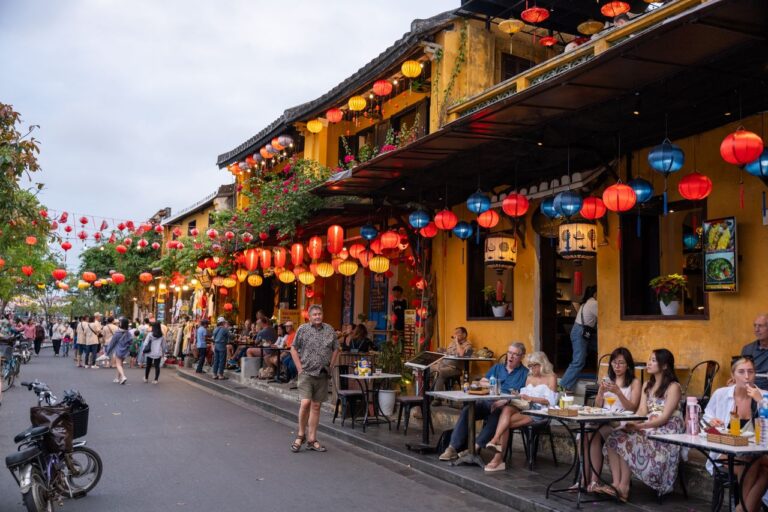
Social media has changed destination choice in a specific way: it rewards places that photograph exceptionally well, which isn’t the same thing as places that make for an enjoyable trip for a particular traveler. A destination can be visually stunning and still be a poor match if it doesn’t suit your actual travel preferences someone who dislikes crowds probably won’t enjoy a viral destination at peak season no matter how good it looks online, and someone who wants an active, packed trip might find a slow, quiet island destination boring rather than relaxing.
Before committing to a place because it looks incredible in photos, it’s worth researching what an actual day there looks like beyond the postcard shot how crowded, how expensive, how much waiting or logistics are typically involved for the experiences that make it famous.
Think in Terms of Travel Style, Not Just Geography
Rather than starting with a map, it can help to start with a description of the trip you actually want, independent of location: do you want to be mostly outdoors or mostly in cities? Do you want a single home base or a lot of movement between places? Do you want built-in social opportunities or more solitude? Once this profile is clear, it becomes much easier to evaluate whether a specific destination is actually a good match, rather than choosing a place first and trying to force your preferred style of travel onto it.
This approach also opens up options that might not have come to mind initially. A traveler who enjoys hiking and quiet mornings might overlook a destination because it’s not conventionally associated with nature tourism, even though it might suit their actual travel style better than a more famous outdoor destination that comes with heavier crowds.
Use Timing as a Filter, Not an Afterthought
A destination that’s a poor choice in July might be an excellent one in October, and vice versa. Weather, local holidays, festival seasons, and tourist crowds shift dramatically throughout the year in most destinations, which means the question isn’t really “should I go here” but “should I go here, during this specific window.” It’s worth researching a destination’s seasonal patterns before committing to dates, rather than locking in travel dates first and hoping the destination cooperates.
This is particularly relevant for destinations known for extreme seasonal shifts monsoon regions, places with brutal summer heat, destinations that essentially shut down certain amenities outside of peak season. A little research here prevents the fairly common mistake of booking a beautiful destination during its least pleasant month.
Don’t Underestimate the Value of Repeat Destinations
There’s a cultural pressure, amplified by social media, to always be visiting somewhere new. But some of the most satisfying trips come from returning to a place already loved, rather than constantly chasing novelty. A familiar destination lets you skip the orientation period entirely and go deeper finding the neighborhood restaurant instead of the tourist-recommended one, knowing which day trips are worth it and which aren’t, having enough context to actually relax instead of researching everything from scratch.
This doesn’t mean new destinations aren’t valuable they clearly are but it’s worth pushing back on the assumption that a “good” travel life requires an ever-expanding list of new countries. Revisiting a destination is a legitimate choice, not a failure of ambition.
Ask What You’d Regret Skipping, Not What’s Trending
A useful final filter, once a shortlist of two or three destinations exists, is imagining looking back in five years and asking which choice you’d regret not making. Trending destinations change constantly, and choosing based on what’s currently popular online often means choosing based on an algorithm’s priorities rather than your own. A destination that’s meant something to you for years, even if it’s unfashionable at the moment, is often a better choice than the destination everyone happens to be posting about this particular season.
Ultimately, the goal of destination research isn’t finding the objectively “best” place to go. It’s finding the place that best matches your actual constraints, style, and timing which is a more personal and more useful question than the algorithm-driven scroll usually leads you toward.
Talk to People Who’ve Actually Been, Not Just Seen It Online
One of the most underused resources in destination selection is simply asking people who have actually visited a place recently, rather than relying entirely on content designed to look appealing rather than to inform. A friend, coworker, or acquaintance who’s been somewhere in the past year or two can usually tell you things no travel video will: whether a destination felt worth the hype, what the actual crowd levels were like, what they wish they’d known beforehand, whether the cost matched expectations. This kind of firsthand, unfiltered account tends to be far more useful for decision-making than another polished highlight reel.
It’s also worth specifically seeking out people with a travel style similar to your own when asking for input. A recommendation from someone who prefers luxury resorts may not translate well if you’re planning a budget-conscious backpacking trip, and vice versa not because either approach is wrong, but because the same destination can produce very different experiences depending on how it’s approached.
Keep a Running List Instead of Deciding Under Pressure
A practical habit that removes a lot of stress from destination selection: keep an ongoing, loosely organized list of places that have caught your interest over time, along with a note on why a specific dish you want to try, a landscape that looked stunning, a historical site connected to something you’ve read. When it’s actually time to plan a trip, working from this accumulated list, rather than starting from scratch under time pressure, tends to produce choices that reflect genuine long-term interest rather than whatever happened to be trending in the weeks before you needed to book something. It also makes the constraint-first approach easier, since you can filter an existing list of genuine interests against your current budget and timing, rather than trying to generate fresh inspiration and practical filtering simultaneously.