Is Tap Water Safe? A Traveller’s No-Nonsense Check
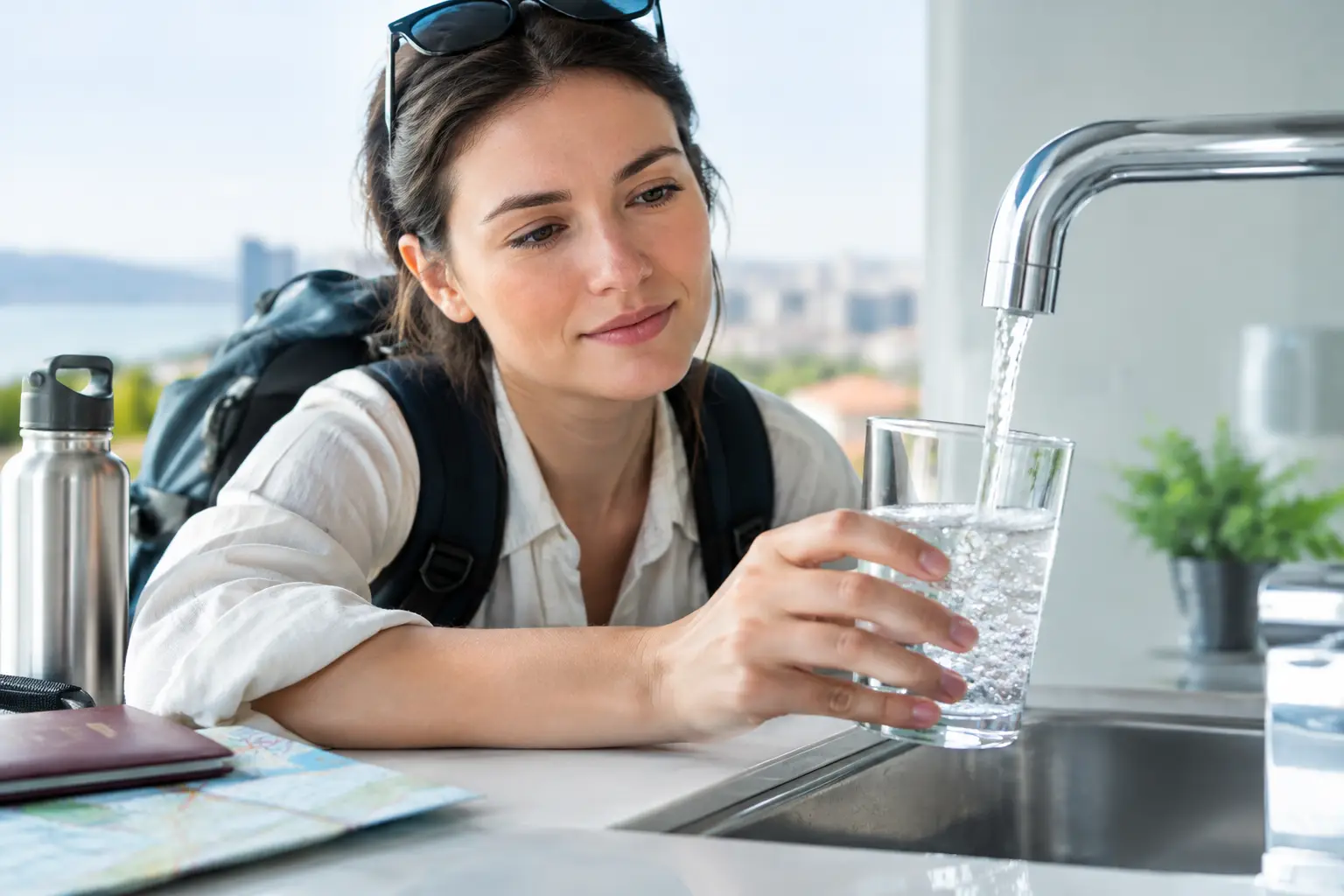
You have just landed, you are tired, and the first thing you want is a glass of water. Then comes the familiar travel question: is tap water safe here, or is this an easy way to lose two days of your holiday to a dodgy stomach? The honest answer is rarely as simple as a country-wide yes or no. Water safety can change between cities, islands, neighbourhoods and even buildings.
For most travellers, the goal is not to become a water-quality expert. It is to make a sensible call, stay hydrated and avoid spending a fortune on plastic bottles you did not need.
Is tap water safe to drink when travelling?
Tap water is generally safe when it has been properly treated, the pipes carrying it are in good condition and local authorities consider it safe for residents to drink. That is common across the UK, much of Europe, North America, Australia, New Zealand, Japan and Singapore, among other destinations.
But “safe” has two different meanings. Water can meet local safety standards and still taste heavily of chlorine or minerals. That is unpleasant, perhaps, but not the same thing as being dangerous. Equally, water that looks clear can still contain bacteria, parasites or chemical contamination that your stomach will not thank you for.
The practical question is not whether locals drink tap water. Plenty of locals do because they have built up tolerance to certain bugs, because bottled water is expensive, or because they have no realistic alternative. Ask instead: what do current local health authorities, your accommodation and reliable recent traveller advice say about drinking it?
If the advice is mixed, treat that as useful information rather than an invitation to gamble. Use filtered, boiled or sealed bottled water until you understand the situation.
Why the answer changes from place to place
A country may have excellent water treatment plants but unreliable pipes in older districts. A resort may have a private filtration system while the village ten minutes away does not. An island can have safe water in the rainy season but shortages or contamination after storms. That is why blanket rules such as “never drink tap water in this country” are often outdated, but blindly following a hotel receptionist’s quick “yes, fine” is not ideal either.
Building plumbing matters more than many travellers realise. Even where municipal water is drinkable, water tanks in older guesthouses, rural homes and budget hotels may not be cleaned regularly. If water comes out discoloured, smells odd, has visible particles or runs weakly after a long period unused, do not talk yourself into it because you are trying to be low-maintenance.
Temporary problems matter too. Flooding, power cuts, damaged infrastructure and seasonal shortages can all lead to boil-water notices. A destination that was straightforward last year can have a different situation this week.
The sensible checks to make before you go
Do not wait until you are parched at midnight in an unfamiliar hotel room. Check water guidance while you are planning your trip, then verify it once you arrive. Your accommodation is useful for specific building advice, while local official notices are better for wider disruption or contamination alerts.
A few questions will usually get you to a clear decision. Is tap water officially recommended for drinking? Are there current advisories after storms, flooding or infrastructure work? Does your hotel provide a refill station or filtered water? And if you are travelling outside a major city, does the advice change for your next stop?
For a multi-stop trip, do not assume the answer travels with you. The water situation in a capital city can be very different from a mountain village, remote island or desert camp.
When you should avoid drinking from the tap
If the guidance says not to drink it, take that literally. This is not the moment to prove that your stomach is tougher than everyone else’s. Use safe water for drinking, brushing your teeth, making baby formula, mixing rehydration salts and washing fruit you will eat raw.
Be more cautious if you are pregnant, immunocompromised, travelling with young children or have a condition that makes dehydration particularly risky. A mild stomach upset can be an annoyance for one traveller and a serious problem for another.
It is also worth thinking beyond the glass of water. In places with unsafe tap water, be careful with:
- ice, unless you know it is made from treated water
- smoothies, juices and slush drinks from informal stalls
- salads, cut fruit and herbs washed in local water
- street food that has been sitting uncovered for hours
- hotel room kettles, which are not guaranteed to make water safe
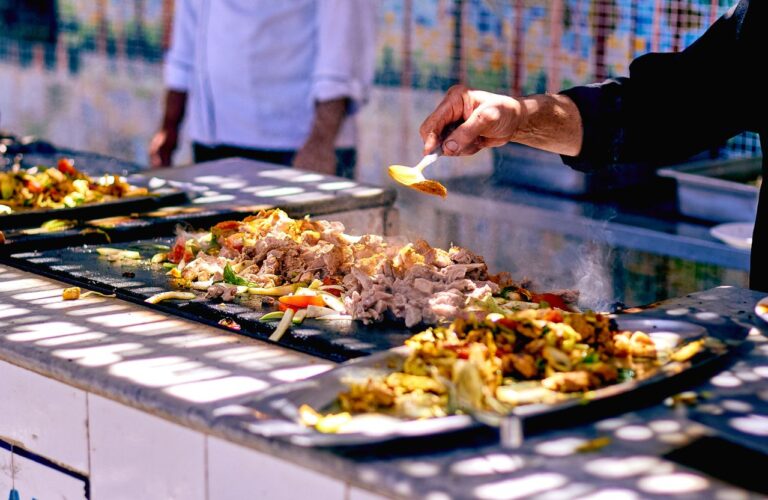
That does not mean avoiding all local food or living on packaged snacks. It means choosing busy stalls where food is cooked hot in front of you, and using your judgement when something has clearly been handled or washed in questionable water.
Bottled water is not always the best answer
Buying bottles is the easiest option, and in some destinations it is the right one. It can also become expensive, wasteful and strangely stressful when you are constantly calculating whether you have enough left for the next bus journey.
A reusable bottle paired with a reputable filter can make travel easier, especially on long trips or in places where you need to reduce reliance on single-use plastic. Just be realistic about what your kit can do. Basic carbon filters improve taste and reduce some chemicals, but they may not remove viruses, bacteria or parasites. Check the filter’s stated protection rather than trusting vague claims on the packaging.
Boiling is another option, particularly in guesthouses or on trekking routes, but it needs time and fuel. Water needs to reach a proper rolling boil, then cool in a clean container. It is useful for microbes, but it does not remove many chemical pollutants, heavy metals or salt.
For short city breaks, sealed bottled water may be the least complicated choice where tap water is not advised. For a longer backpacking trip, a proper purifier often makes more financial and environmental sense. There is no prize for doing it the hard way, though. Pick the approach that fits your route, budget and tolerance for faff.
Don’t confuse unfamiliar water with unsafe water
Travellers often blame tap water for every upset stomach, but the culprit may have been a buffet left warm too long, poor hand hygiene, too much rich food, or one questionable cocktail at the end of the night. A change in mineral content can also affect some people without indicating contamination.
If you are visiting a place with safe tap water but find it tastes metallic, sulphurous or intensely chlorinated, a refill bottle with a taste filter can make it far more pleasant. Letting chlorinated water sit in an open bottle for a while may help the flavour too.
Still, trust your senses when something is obviously wrong. Brown water, a sewage-like smell, an oily film or sudden local warnings are reasons to stop drinking it and ask your accommodation for an alternative. Clear water is not proof of safety, but visibly abnormal water is a clear red flag.
What to do if you get ill anyway
Even careful travellers occasionally get caught out. The priority is replacing fluids and salts, not forcing yourself to eat a heroic full English in a hotel breakfast room. Use safe water, rest and consider oral rehydration sachets from a pharmacy. They take up almost no space in a first-aid kit and are far more useful than most people expect.
Seek medical help promptly for severe dehydration, blood in your stool, a high fever, persistent vomiting, symptoms lasting more than a few days, or illness in a child or vulnerable traveller. Travel insurance is not exciting holiday planning, but this is exactly the sort of boring detail that earns its place.
The best travel habit is simple: check local advice, carry a refillable bottle, and have a backup plan before you need one. Then you can spend your energy finding the tiny family-run restaurant everyone missed, not hunting for overpriced water at a tourist trap.