The Only Packing List You’ll Ever Need for a Week-Long Trip
Packing anxiety is a real thing, and it usually comes from trying to plan for every possible scenario rather than working from a solid, repeatable system. A week-long trip, whether it’s a beach vacation, a city break, or a work trip with a bit of leisure tacked on, needs surprisingly little when you approach it methodically. Here’s a packing framework that actually holds up across different types of trips.
Clothing: The Rule of Layers and Repeats
For a seven-day trip, you almost never need seven of everything. A workable system is 4-5 tops, 2-3 bottoms that all mix and match with each other, one layer piece like a light sweater or jacket, and enough underwear and socks for the trip plus one or two spares. The trick is choosing pieces in a coordinated color palette, so any top pairs reasonably with any bottom, which effectively multiplies your outfit combinations without multiplying your luggage weight. Fabrics that resist wrinkling and dry quickly, like merino wool blends or technical travel fabrics, mean you can hand-wash something in a hotel sink overnight if needed rather than packing an extra outfit “just in case.”
Toiletries Without the Overpacking Instinct
Full-size toiletries are one of the most common sources of wasted luggage space and weight. Solid shampoo bars, toothpaste tablets, and reusable silicone travel bottles filled from your regular products at home cover most needs in a fraction of the space. A basic first aid kit with pain relievers, any prescription medications in their original labeled containers, blister plasters, and motion sickness tablets if relevant rounds out the essentials without needing to pack for every conceivable ailment.
Documents and Money: The Non-Negotiables
Before anything else goes in the bag, gather your passport with at least six months validity remaining for international trips, any required visas, printed or digital copies of your accommodation and transport bookings, and a backup form of payment stored separately from your primary wallet. Photographing the photo page of your passport and emailing it to yourself, or storing it in a secure cloud folder, is a small step that solves a genuinely serious problem if the physical document is ever lost or stolen abroad.
Electronics That Actually Get Used
A phone charger, a portable power bank, and a universal adapter if you’re crossing into a different plug region cover most electronics needs for the average traveler. Resist the urge to pack a laptop “just in case” unless you specifically know you’ll need it; tablets or even just a phone handle most travel-related tasks like checking in for flights, navigating, and staying in touch, at a fraction of the weight and theft risk of a laptop.
The Footwear Trap
Shoes are consistently the heaviest, most space-consuming items in most people’s luggage, and also the category people most reliably overpack. Two pairs generally covers a week-long trip: one comfortable walking shoe suited to the amount of walking you expect, and one slightly dressier option if your trip includes any occasion that calls for it. Wearing your bulkiest pair on travel days themselves, rather than packing them, is a simple trick that reclaims meaningful suitcase space.
Packing Cubes and Compression
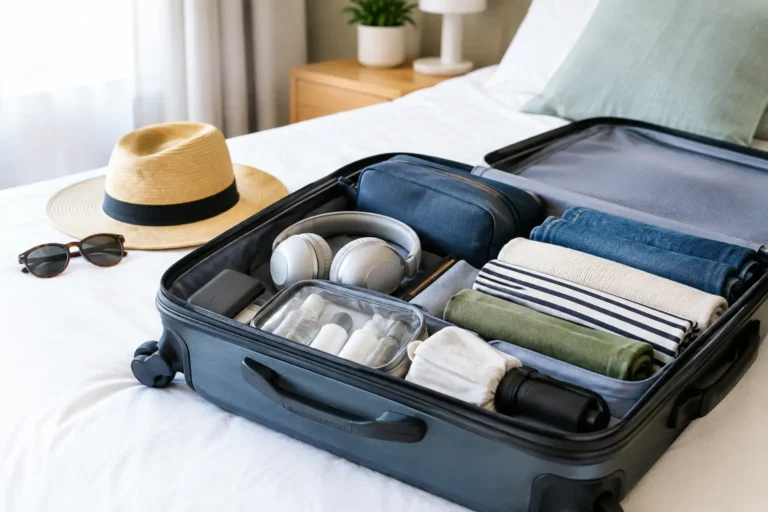
Packing cubes aren’t just an organizational nicety, they genuinely change how efficiently a bag packs. Sorting by category, tops in one cube, bottoms in another, undergarments in a third, means you can see and access everything without unpacking the entire bag, and compression cubes specifically can reduce the volume of soft items like clothing by a noticeable margin. This matters most for anyone flying with only a carry-on, where every liter of usable space counts.
A Simple Day-Before Checklist
The night before departure, run through a final check: passport and boarding pass accessible, chargers packed, any medications in your carry-on rather than checked luggage in case bags are delayed, and a rough itinerary shared with someone at home. This last step takes two minutes and solves a real problem if plans change unexpectedly or anyone needs to reach you in an emergency.
Adjusting for Climate and Trip Type
This framework flexes easily for different trip types. A beach trip swaps structured layers for swimwear and light cover-ups; a winter trip adds a proper insulated jacket and swaps lightweight shoes for insulated, waterproof boots. The underlying system, though, mixing and matching a small core wardrobe, minimizing toiletries, and prioritizing documents and essential electronics, holds steady regardless of destination.
Snacks and Small Comforts
A small pouch with a few familiar snacks, a reusable water bottle, and any specific comfort item that makes travel days easier, whether that’s a particular tea bag or a travel-size bottle of your preferred hand cream, takes up very little space but noticeably improves the experience of long transit days. This is especially true for destinations where food options during transit might be limited or unfamiliar, since having something familiar on hand prevents the minor but real discomfort of being hungry with no good options available.
Packing for the Return Trip Too
A detail a lot of packing guides skip entirely is planning for the trip home, not just the trip there. Leaving a bit of extra space, roughly 10-15% of your bag’s capacity, accounts for souvenirs, gifts, or items bought during the trip without needing to sacrifice something you brought or pay for an extra checked bag at the airport on the way back. A spare, empty tote bag folded flat in your suitcase costs almost nothing in weight or space and solves the common problem of needing an extra bag for the return journey.
Reviewing and Refining After Each Trip
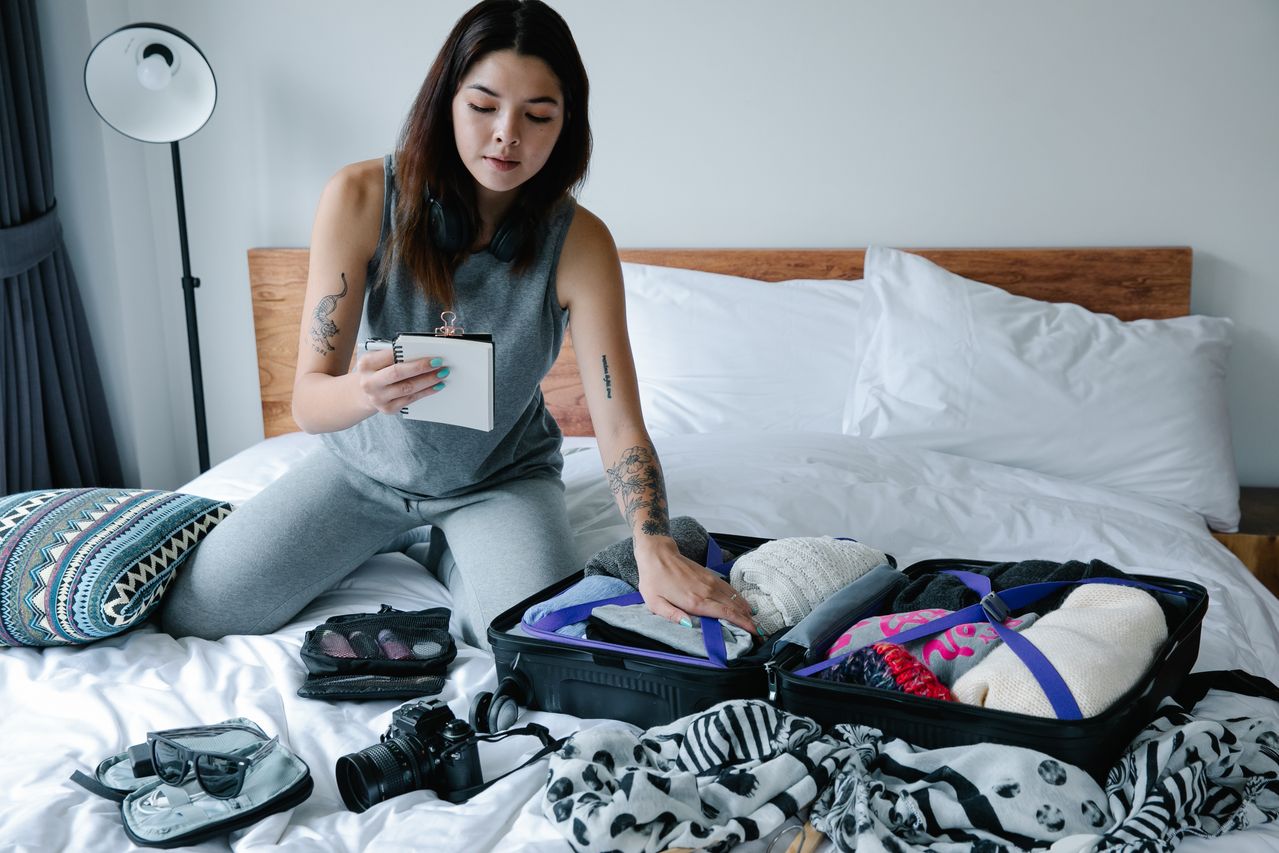
The single best way to improve your packing over time is a quick, honest review immediately after each trip: what did you pack but never use, and what did you wish you’d brought but didn’t. Keeping a running note of these observations, even briefly, means your next trip’s packing list is built on real experience rather than guesswork, and most frequent travelers find their packing gets noticeably lighter and more accurate after just two or three trips of paying attention this way.
A Sample Week-Long Packing List
To make this concrete: 5 tops, 2 bottoms, 1 light layer, 7 sets of underwear and socks, 2 pairs of shoes, a compact toiletry kit with solid or travel-size products, a small first aid kit, all essential documents in a dedicated folder, a phone charger, a power bank, an adapter if needed, and packing cubes to organize it all. That’s a complete week away for most trip types, fitting comfortably into a carry-on-sized bag with room to spare for anything picked up along the way.
A Note on Packing for Specific Trip Types
Business trips call for a slightly different version of this system, prioritizing wrinkle-resistant formal wear and a dedicated laptop compartment over the layering focus of a leisure trip. Family trips with young children add an entirely separate category of gear, from spare clothing for inevitable spills to entertainment for long transit stretches, and often benefit from packing by person rather than by category, so each family member’s essentials stay together and are easy to locate quickly during a hectic travel day.