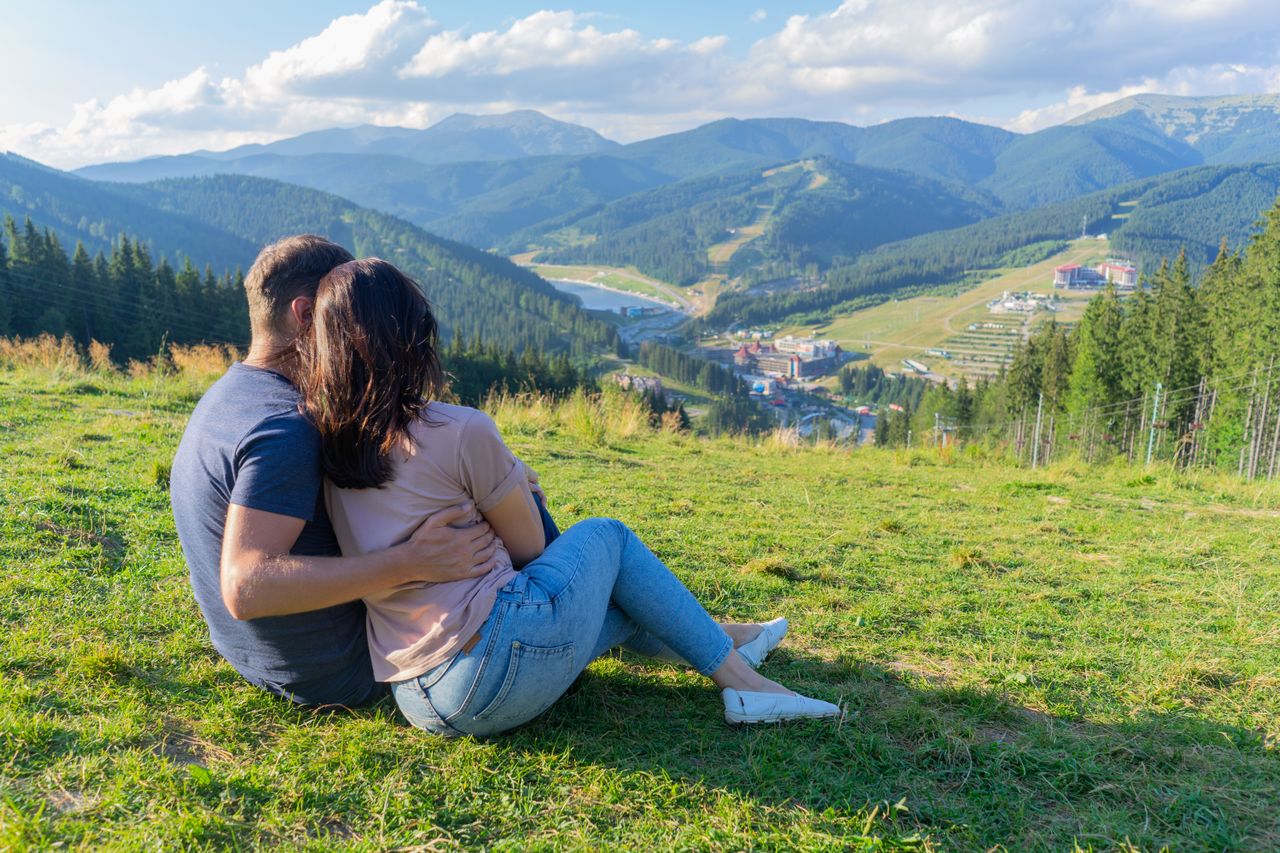
Romantic Weekend Getaways Beyond the Pinterest Board
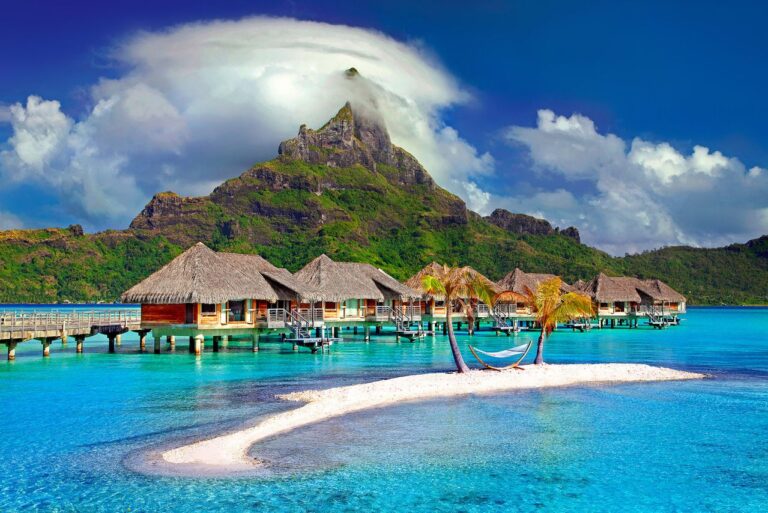
Search “romantic weekend getaway” and you’ll get the same five images on repeat: a couple silhouetted against a sunset, champagne on a balcony, a private hot tub with mountain views. None of that is bad, exactly, but it’s also become such a template that it can start to feel less like romance and more like a photo op you’re expected to recreate. A genuinely romantic weekend has less to do with the setting and more to do with whether the two of you actually get uninterrupted time to enjoy each other’s company, somewhere neither of you has to think about laundry or dishes.
Redefine What “Romantic” Actually Means for You
Before picking a destination, it’s worth asking what romance actually looks like for your specific relationship, because it’s rarely the same for every couple. For some, it’s stillness quiet mornings, slow meals, nowhere to be. For others, romance shows up through shared adrenaline: a couple who bonds over a hard hike or a scuba dive might find far more connection in an active weekend than a spa one. Neither instinct is wrong, but chasing the generic version of romance instead of your own version is a common reason weekend trips feel flat even when the setting is beautiful.
A useful exercise: think back to a moment in your relationship that felt distinctly romantic not necessarily a big, planned one, but any moment. What made it feel that way? Often it’s not the location at all, but the fact that you were both fully present, without a phone in hand or a schedule to keep. Building a weekend around recreating that feeling, rather than a magazine image, tends to produce a much better trip.
Small Towns Do a Lot of the Work for You
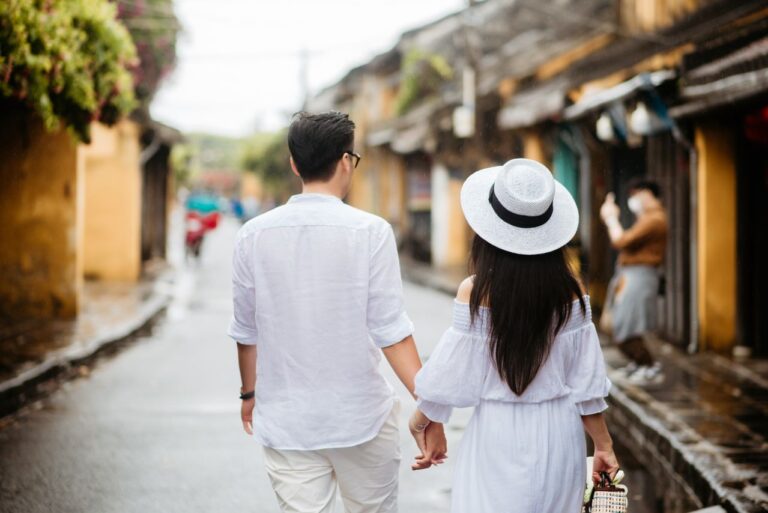
Big cities are fun, but they also come with crowds, noise, and a packed itinerary that can leave little room for actual connection. Small towns the kind with one main street, a few good restaurants, and a walkable center tend to naturally slow a couple down. There’s less pressure to “do” things and more room to simply be somewhere together. A town two or three hours from home, one neither of you has visited, often makes for a better romantic weekend than a bucket-list city, mostly because there’s no pressure to see everything.
Look for towns with a distinct character rather than generic tourist infrastructure an old fishing village, a historic mountain town, somewhere with its own rhythm. The specificity of the place tends to make the memory more vivid later.
The Accommodation Matters More Than the Itinerary
For a weekend trip, where you stay often shapes the mood of the entire visit more than what you do. A beautiful but impersonal hotel can feel oddly lonely, even for two. A smaller guesthouse or boutique inn, especially one with some personality a fireplace, a porch, a host who actually talks to you tends to create a warmer atmosphere without requiring any extra effort on your part.
If budget allows, one splurge worth considering is a room with some kind of private outdoor space a balcony, a terrace, a garden. Even twenty minutes of coffee outside together in the morning, away from a shared living room back home, adds a surprising amount to how a weekend feels in memory.
Build in Deliberate Phone-Free Time
This sounds almost too simple to mention, but it’s one of the most consistently underrated tools for a romantic weekend. Pick one stretch of time dinner, a walk, the first hour after waking up and agree to leave phones somewhere else entirely, not just face-down on the table. Couples often report that the moments they remember most fondly from a trip are the ones where neither of them was even slightly distracted, which is rarer in daily life than most people realize.
Food as the Centerpiece, Not an Afterthought
A weekend built loosely around meals tends to feel more romantic than one built around sightseeing. This doesn’t require a fancy tasting menu a long, unhurried breakfast, an afternoon spent finding the best bakery in town, a dinner booked somewhere with genuinely good food rather than good views, all do more for connection than checking off attractions. Food gives you something to talk about, discover, and enjoy together without requiring either of you to perform “romance” the way a scenic overlook sometimes seems to demand.
Skip the Overplanned Itinerary
Ironically, one of the fastest ways to drain the romance out of a weekend is to overschedule it. A tightly packed itinerary turns a getaway into a checklist, and checklists create stress, not intimacy. A better approach for a short trip is to plan one anchor activity per day a hike, a specific restaurant, a particular sight and leave the rest of the time open. The best moments on a lot of romantic trips happen in the unplanned gaps: the café you wandered into because it looked interesting, the conversation that ran long because there was nowhere else you needed to be.
A Few Underrated Ideas Worth Considering
Rather than the usual beach resort or spa weekend, consider a weekend centered around a shared activity you’re both new to a cooking class in a town known for its food, a slow multi-day bike route, a stargazing spot far enough from city lights to actually see something. Shared novelty tends to create more romantic memory than passive relaxation, mostly because you’re doing something together rather than simply existing near each other.
Whatever you choose, the common thread across genuinely memorable romantic weekends isn’t the setting. It’s the sense that, for two or three days, nothing else was competing for your attention. That’s harder to arrange than a nice hotel room, but it’s also the part that actually makes the trip feel romantic once you’re home and looking back on it.
Timing a Weekend Trip So It Actually Feels Restful
One detail that gets overlooked when planning a romantic weekend is timing relative to your normal schedule. A getaway squeezed in right after a brutal work week, with a late Friday departure and an early Monday return, often ends up feeling more exhausting than romantic, no matter how nice the destination is. If your schedule allows any flexibility at all, leaving a half-day early on Friday or building in a slower return on Sunday evening rather than Monday morning makes a noticeable difference in how relaxed you both feel once you’re there and how long the good mood lasts once you’re home.
It’s also worth thinking about what the days immediately before and after the trip look like. A weekend away sandwiched between two exhausting weeks of work can end up feeling like it barely happened, because you spend the first day decompressing and the last day dreading what’s waiting for you back home. Where possible, keeping the days right before departure lighter, and leaving a little breathing room the day after you return, helps the trip actually register as the reset it’s meant to be, rather than just a change of scenery squeezed into an otherwise nonstop schedule.