
Solo Travel Concerns: What Actually Helps
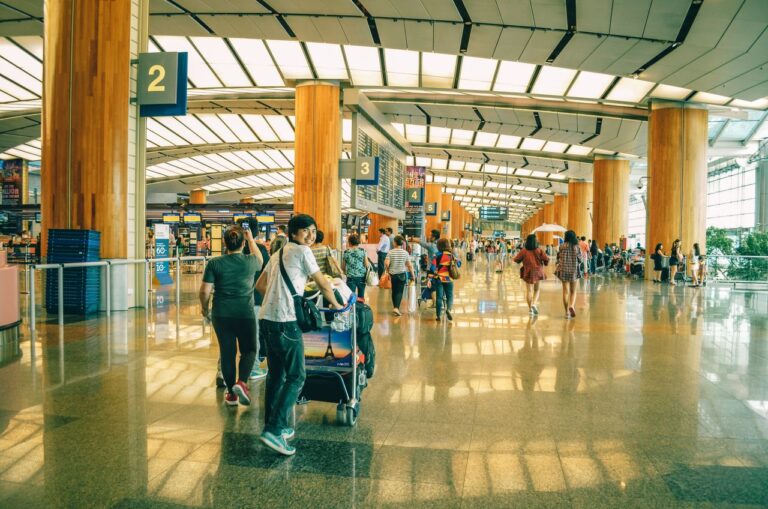
The taxi has pulled away, your suitcase is on the pavement, and suddenly nobody else is responsible for the next decision. That is where most solo travel concerns show up: not in the dreamy bit of booking flights, but in the slightly awkward reality of arriving somewhere unfamiliar alone.
The good news is that solo travel does not require you to become fearless, wildly spontaneous or the sort of person who makes instant best friends in hostel kitchens. It requires a few sensible systems, enough room in the budget for mistakes, and a plan that does not collapse if you feel tired, lost or simply not in the mood to socialise.
The solo travel concerns worth taking seriously
Some worries are practical. Is the area safe? Will the accommodation be decent? What happens if your phone dies, your card is blocked or your flight is delayed? Others are emotional: eating alone, feeling lonely, worrying that everyone will think you look odd, or wondering whether the trip will be fun without someone to share it with.
Treat those as different problems. A portable charger will not fix loneliness, and a packed social itinerary will not help if you have chosen a badly located hotel with no clear plan for getting there at night.
The biggest mistake is trying to erase every risk before you go. You cannot. What you can do is remove the avoidable friction, then make choices that give you options when the day goes sideways.
Safety is about judgement, not paranoia
Solo travellers can be more visible, particularly when they look lost, drunk, overloaded with luggage or distracted by a phone. That does not mean you should walk around expecting danger. It means behaving like someone who has a rough handle on where they are going.
Book your first night’s accommodation before arrival, especially if you land late. Check the neighbourhood as well as the property reviews, and look for recent comments about noise, access and whether guests felt comfortable returning after dark. A cheap room on the edge of town can stop being a bargain when it adds an expensive taxi ride, an anxious walk, and forty minutes of wasted holiday time every day.
Keep your arrival details simple. Download offline maps, save the accommodation address in the local language if useful, and know the likely cost of a taxi or public transport before you step outside the terminal. If a driver quotes something wildly different, you have the confidence to walk away.
Tell one person at home your broad plan, but do not turn your holiday into a live surveillance exercise. A message saying you have arrived, plus a note if you change cities, is usually enough. Carry travel insurance details, an emergency contact and a backup payment card separately from your main wallet. Boring preparation is brilliant when it saves a bad day.
Loneliness is real, but it is not proof you made a mistake
There is a particular kind of loneliness that can hit at 7pm when you have seen the sights, your feet hurt, and every restaurant appears full of laughing groups. First-time solo travellers often mistake that moment for a verdict on the whole trip. It is not. It is one ordinary moment, amplified by tiredness and unfamiliar surroundings.
Build in social opportunities without making them compulsory. A small-group food tour, a walking tour on your first morning, a cooking class or a hostel with private rooms can create easy conversation without forcing you to spend every waking hour with strangers. If you prefer hotels, choose one near places you genuinely want to visit rather than hoping the lobby will provide a social life.
It also helps to stop treating solo meals as a challenge to overcome. Sit at the bar, bring a book, choose a busy lunch spot, or take food back to a park or your room when that is what you fancy. Nobody is studying your table. Most people are busy managing their own plans, their own dates and their own overpriced mains.
How to plan around solo travel concerns without overplanning
A detailed minute-by-minute itinerary can look reassuring from your sofa in the UK. In practice, it leaves no room for delayed trains, bad weather or the perfectly reasonable desire to have a slow morning. Solo travel works best with a firm framework and a flexible middle.
Start with your non-negotiables: where you will sleep, how you will arrive, what your first 24 hours look like, and how much you can afford to spend. Then choose one anchor activity for most days. It might be a museum booking, a hike, a market, or a train to a nearby town. Everything around it can stay loose.
This approach also makes decision fatigue less likely. When you are travelling alone, every choice belongs to you, from breakfast to onward transport. That freedom is excellent until you have spent twenty minutes comparing identical cafés because you are hungry and your brain has packed up for the day.
Give yourself a few defaults. Find a nearby coffee shop for the first morning. Save two dinner options. Know the location of a supermarket, pharmacy and cashpoint. These tiny decisions create a sense of familiarity surprisingly quickly.
Your first day should be deliberately easy
Do not use arrival day to prove that you are an adventurous traveller. Use it to get settled. Drop your bag, buy water, get your bearings and take a short walk through an area that is busy and straightforward to navigate.
If you arrive early and cannot check in, ask the accommodation to hold your luggage rather than carrying it around for six hours. If you have crossed time zones, avoid booking the one expensive activity you would hate to miss. And if you feel flat after a long flight, have an early night. A holiday does not become less valid because you watched rubbish television in a hotel room on night one.
The money worries that can quietly ruin a trip
Travelling alone often costs more than travelling as a pair. You cannot split taxis, private rooms, rental cars or that absurdly large sharing plate. Pretending otherwise leads to a budget that looks clever on paper and feels miserable in real life.
Price the trip for one person from the start. Compare accommodation by total cost and location, not just the nightly headline. A central room with breakfast may cost more but save money on transport and make evenings easier. On the other hand, if you are staying a week in an expensive city, a well-reviewed hostel private room or a guesthouse with a communal kitchen can free up cash for the things you will remember.
Leave a contingency pot that is not part of your daily spend. It covers a late-night taxi, replacing a lost adapter, changing a train ticket, or moving accommodation if a place feels wrong. The amount depends on the trip, but ring-fencing it means an inconvenience stays an inconvenience rather than becoming a financial crisis.
Be realistic about solo supplements, too. Some tours and cruises charge them heavily, while day trips and small-group activities usually do not. It is worth comparing the full cost before committing, rather than being seduced by a low advertised price that assumes two people sharing.
Confidence comes from small repetitions
You do not need to start with three weeks alone across several countries if the idea makes your stomach drop. A one-night city break, a weekend in Edinburgh, or four days in Lisbon with one pre-booked activity can teach you the useful bits: navigating stations, dining alone, choosing transport, and recovering when plans change.
Confidence is not a personality trait handed out at the airport. It is evidence collected over time. You catch the right train, handle a confusing check-in, ask for help, and realise that a slightly uncomfortable moment did not end the world. Then the next trip feels less like a leap and more like something you know how to do.
There will still be awkward patches. You may eat a disappointing meal, get caught in rain, miss home, or wish somebody else would decide where to go for once. That is normal travel, not failed travel. The aim is not to make every moment perfect. It is to give yourself enough preparation, money and permission to handle the imperfect ones – then carry on with the day you came for.