Your First Budget Backpacking Trip: Everything Nobody Tells You
The idea of strapping on a backpack and heading off with a loose plan and a tight budget is romantic right up until you actually have to do it. Then the questions pile up. How much do I bring? Where do I sleep? What if something goes wrong? I remember the mix of excitement and low-grade panic before my first real backpacking trip, and I remember how much of what I worried about turned out not to matter, while the things that did matter nobody had warned me about. Here’s the honest version I wish someone had given me before I left.
Bring half of what you packed
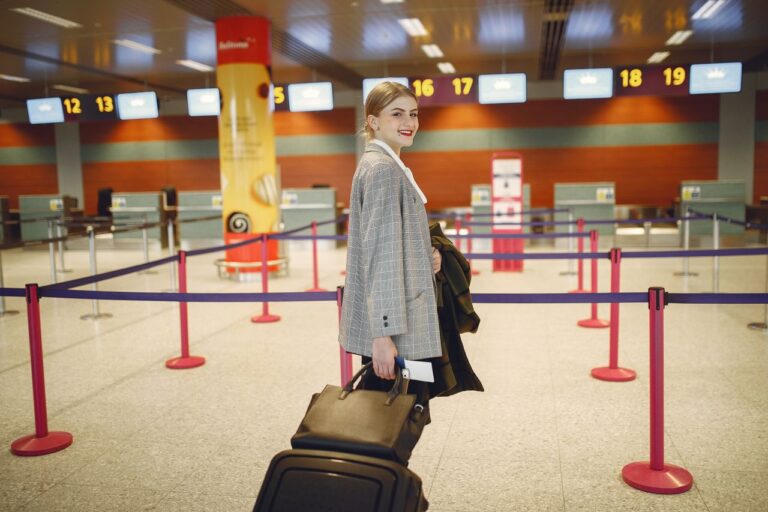
Everyone overpacks the first time. Everyone. You imagine every possible scenario and pack for all of them, and then you spend the trip carrying a bag that’s slowly breaking your back. The truth is you wear the same handful of things over and over, and anything you forgot you can buy on the road, usually cheaper than at home. Lay out everything you think you need, then remove half. A lighter bag means cheaper flights, easier movement, and far less stress. Nobody has ever come home from a trip wishing they’d packed more, and plenty of us have come home wishing we’d packed a lot less.
Your first night should be booked
There’s a certain type of traveller who’ll tell you to wing everything, book nothing, stay free. Ignore them for your first night, at least. Arriving in a new country, tired and disoriented, possibly in the dark, is not the moment to be wandering around looking for a bed. Book your first night or two in advance so you have somewhere to land. After that, once you’ve got your bearings and figured out how the place works, you can loosen up and improvise. But give yourself a soft landing to start. It costs almost nothing in peace of mind and saves you from a genuinely miserable first evening in a place where you don’t yet know up from down.
Cash, cards, and not losing everything
Money on the road is one of those things that seems simple until it isn’t. The rule I live by is redundancy. Never keep all your money and cards in one place, because the day you lose that one place is the day your trip falls apart. Split your cash across a couple of spots in your bag and on your body. Carry more than one card if you can, and stash a small emergency reserve somewhere separate that you promise not to touch unless things go truly sideways. Card lost, wallet stolen, machine eats your card any of these is survivable if you planned for it and catastrophic if you didn’t. A little redundancy is the cheapest insurance you’ll ever buy.
Hostels are about people, not just price
Yes, hostels save money, but that’s almost the least interesting thing about them. For a solo traveller especially, they’re where the trip comes alive. The common room is where you meet the people you’ll end up sharing a bus, a meal, or a whole leg of your journey with. Some of my closest travel memories came from a stranger in a hostel kitchen suggesting we go somewhere together the next morning. If you’re nervous about travelling alone, a sociable hostel dissolves that nervousness faster than anything. You’re only alone until you walk into the common room, and then you’re part of a rolling, ever-changing group of people all figuring it out together.
Move slowly and stay longer
The rookie instinct is to see everything, which means constant movement, constant transport costs, and a blur of places you barely remember. Resist it. Staying longer in fewer places is cheaper, calmer, and far more rewarding. Weekly rates on accommodation beat nightly ones. You learn where the cheap food is. You stop being a tourist rushing through and start being someone who, however briefly, lives somewhere. The trips people rave about years later are rarely the ones where they saw the most. They’re the ones where they slowed down enough to actually feel a place, to have a favourite cafe and a route they knew by heart.
Things will go wrong, and that’s fine
A bus will be late. A booking will fall through. You’ll get lost, or sick, or hopelessly confused about the local transport. This isn’t a sign you’ve failed at travelling it’s just travelling. The people who enjoy backpacking aren’t the ones who avoid problems, because that’s impossible. They’re the ones who shrug and adapt. Some of the best stories, the ones you’ll be telling for years, come directly from the moments that felt like disasters while they were happening. Build a little flexibility into your budget and your schedule, and these bumps become part of the adventure instead of the end of it.
Keep your plans loose
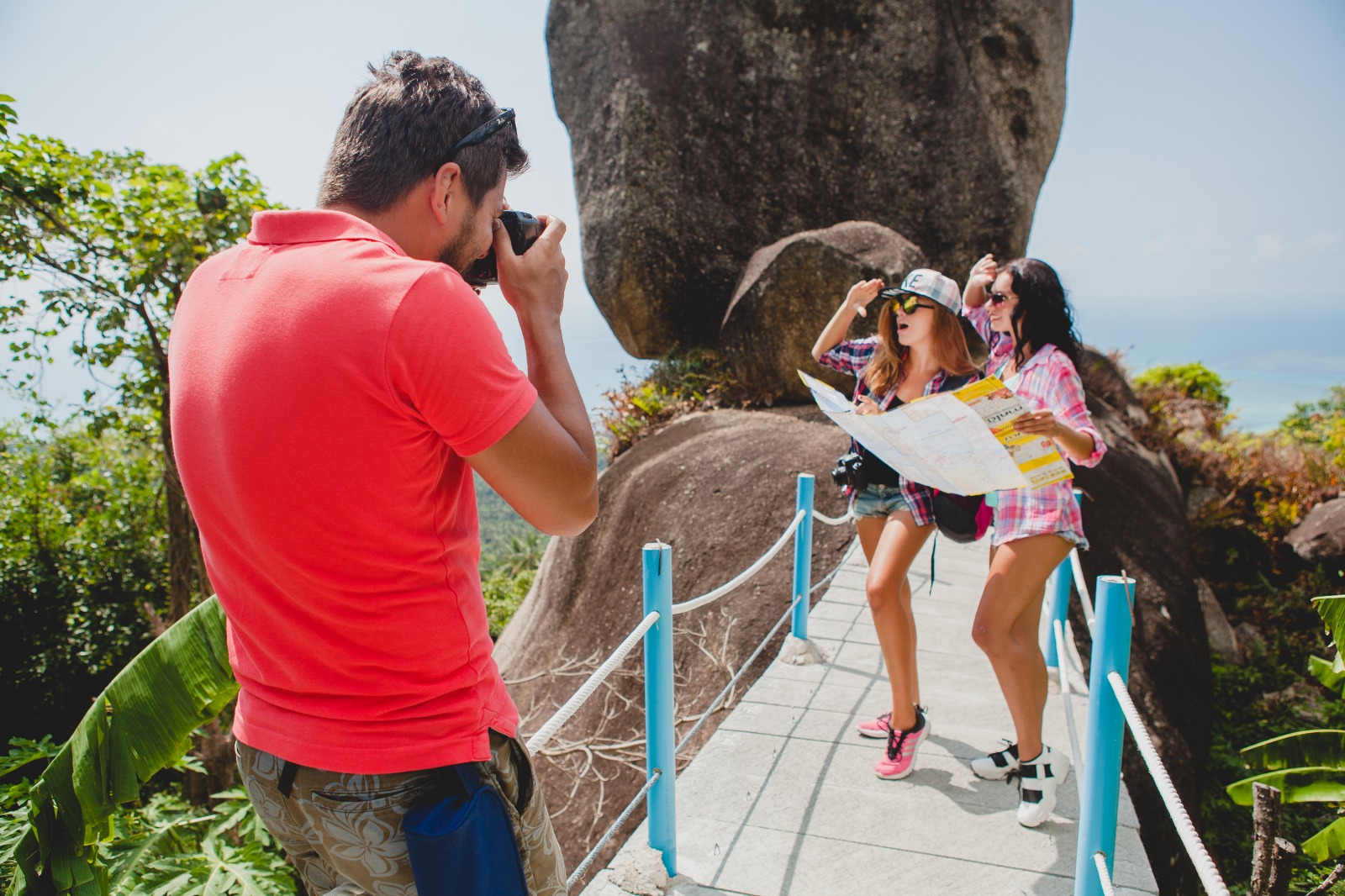
The tightest itineraries are the ones that fall apart hardest. When every day is planned to the hour, a single delay knocks over the whole row of dominoes and you spend the trip stressed about a schedule instead of enjoying where you are. Sketch the rough shape of your trip and leave the details open. The best experiences almost always come from a recommendation you couldn’t have planned for a place someone tells you about over breakfast, a festival you stumble into, a town you meant to pass through and ended up staying a week. Leave room for the trip to surprise you, because it will, and those surprises are usually the whole point.
Trust people, but stay switched on
One of the quiet surprises of backpacking is how kind most people turn out to be. Strangers will go out of their way to help you find a bus, share food, or point you somewhere you’d never have found alone. The overwhelming majority of people you meet on the road mean you well, and letting that in is a big part of what makes travel worth it. At the same time, a little ordinary caution costs nothing. Keep an eye on your bag in crowded places, be a bit wary of deals that seem too good, and trust the small voice that occasionally tells you a situation feels off. Openness and awareness aren’t opposites the best travellers hold both at once, staying warm to people while keeping their wits about them.
Getting this balance right is mostly a matter of practice. Early on you’ll probably be either too guarded or too trusting, and either way you’ll adjust. Within a couple of weeks you’ll have a natural feel for it, and that instinct will serve you on every trip that follows.
You’re more capable than you think
The biggest thing nobody tells you is also the simplest. You will handle it. Whatever comes up, you’ll figure it out, usually faster than you’d expect, and you’ll come home a little more sure of yourself than when you left. That quiet confidence is the real souvenir of a first backpacking trip, worth more than any photo. The budget forces you to be resourceful, and resourcefulness turns out to be its own reward. So book the first night, pack half of what you planned, and go. The version of you that comes back will be glad you did, and probably already planning the next one.