Solo Trekking in the Himalayas: A Beginner’s Guide
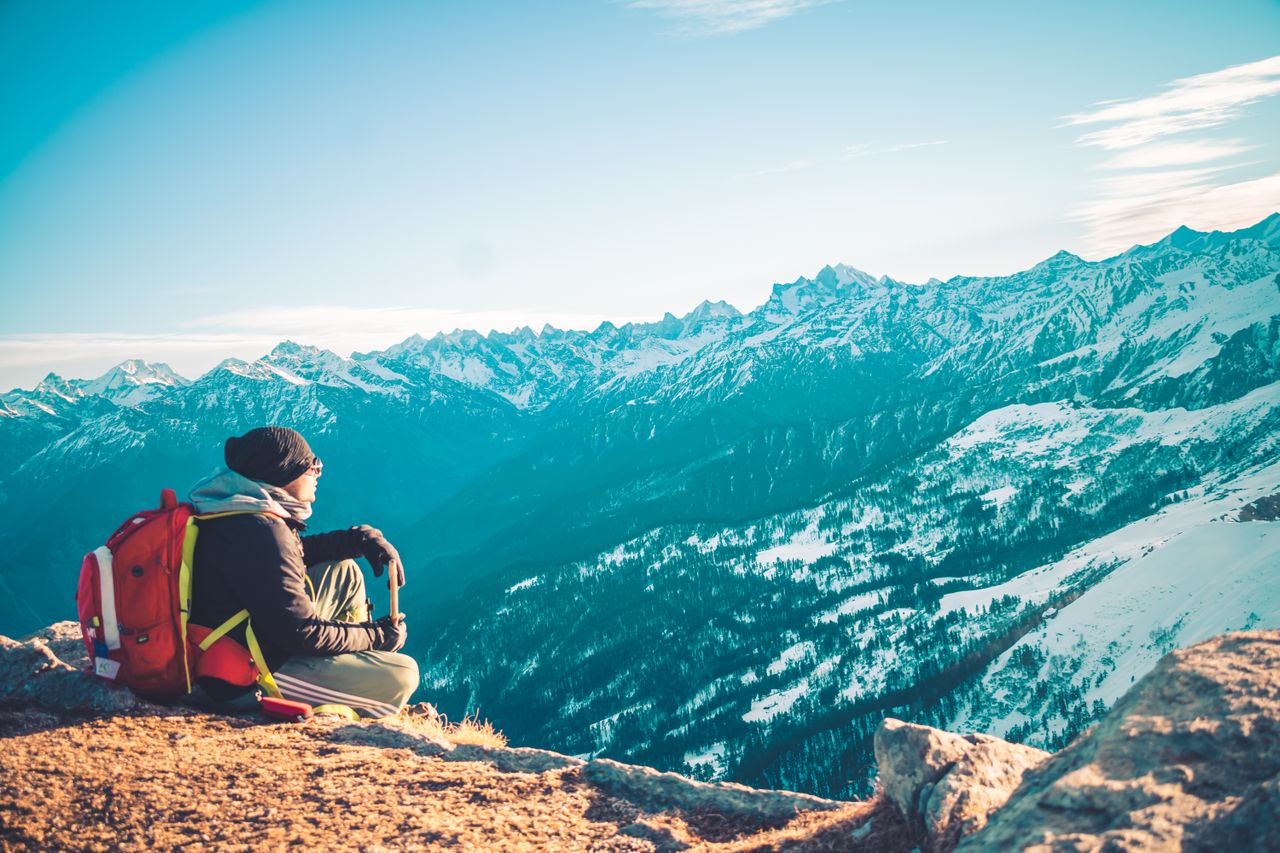
There’s a particular kind of silence that only exists above 4,000 meters. No traffic, no notifications, just wind moving across rock and the sound of your own boots on the trail. That silence is exactly why so many first-time trekkers become lifelong ones after a single trip to the Himalayas. But going solo into one of the most dramatic mountain ranges on earth isn’t something you should walk into blind, so here’s what actually matters if you’re planning your first trek alone.
Pick the Right Trail for a First Attempt
The Himalayas stretch across five countries, and the trekking options range from gentle three-day walks to expeditions that require months of preparation. For a first solo trek, routes like the Annapurna Base Camp trail in Nepal or the Kedarkantha trek in India’s Uttarakhand region are ideal. Both offer teahouses or basic lodges along the way, which means you don’t need to carry a tent, cooking gear, or days of food. Trails with infrastructure like this are far friendlier to someone trekking without a group, since you’ll cross paths with other travelers and locals daily, and you’re never more than a few hours from help if something goes wrong.
Avoid starting with anything above 5,000 meters or routes that require technical climbing skills. Everest Base Camp, while doable for a reasonably fit beginner, demands more altitude acclimatization planning than most people expect, so it’s worth saving for a second or third trip once you understand your body’s response to elevation.
Acclimatization Isn’t Optional
Altitude sickness doesn’t care how fit you are. It has taken down marathon runners and left couch-potato trekkers completely unaffected. The rule that actually works is simple: don’t ascend more than 300-500 meters in sleeping altitude per day once you’re above 3,000 meters, and build in a rest day every third day. Drink far more water than feels necessary, cut back on alcohol, and pay attention to headaches, nausea, or unusual fatigue. If symptoms appear, the only real treatment is descending, not pushing through. Diamox is commonly used as a preventive measure, but talk to a travel doctor before your trip rather than figuring out dosage on the trail.
What to Actually Pack
New trekkers tend to over-pack clothing and under-pack the essentials that matter. A good down jacket rated for at least -10°C, a solid pair of broken-in hiking boots, a headlamp with spare batteries, and a proper first aid kit with blister treatment will do more for your trip than five spare t-shirts. Layering matters more than bulk: a moisture-wicking base layer, a fleece or light insulation layer, and a waterproof shell will cover almost any weather the mountains throw at you. Trekking poles are worth the extra weight in your bag; they save your knees on long descents in a way you won’t appreciate until day four.
Traveling Alone Doesn’t Mean Traveling Isolated
One of the biggest misconceptions about solo trekking is that you’re actually alone the entire time. On popular routes, you’ll meet other trekkers at teahouses, share meals, and often end up walking sections of the trail together. Many solo trekkers form informal groups within the first two days simply by chatting over dal bhat at a lodge. If you want an added layer of safety, hiring a local guide or porter is common practice and supports the local economy directly. It also means someone familiar with the terrain and weather patterns is making calls alongside you, which matters more than pride when conditions shift quickly in the mountains.
Respecting the Culture and the Land
Many of these trails pass through villages where trekking tourism is the primary source of income, and also through areas considered sacred by local communities. Simple courtesies go a long way: ask before photographing people, dress modestly in villages and near monasteries, and avoid loud behavior in areas where locals are going about daily life. Carry a reusable water bottle with a filter or purification tablets rather than buying plastic bottles at every stop, since waste management in remote mountain areas is a genuine challenge.
Timing Your Trek
The two main windows for Himalayan trekking are pre-monsoon (March to May) and post-monsoon (late September to November). Spring brings blooming rhododendrons and generally stable weather, while autumn offers the clearest mountain views of the year, since the monsoon rains wash the dust out of the air. Summer months bring monsoon rain and leeches on lower trails, and winter closes many high-altitude routes entirely due to snow. If mountain views are your priority, aim for late October or early November.
Budgeting for a Solo Trek
Cost varies enormously depending on the region and how much support you hire along the way. In Nepal, a teahouse trek without a guide or porter can run as little as $20-30 a day covering food and lodging, while hiring a licensed guide adds roughly $25-35 a day and a porter another $18-20. Permits are a separate cost and non-negotiable in most regions; the Annapurna Conservation Area Permit and TIMS card together run under $50 total, but skipping them isn’t an option since checkpoints along the trail verify them. Budget an extra buffer for emergency situations too, since a helicopter evacuation, while rare, is not cheap, and this is exactly why trekking-specific travel insurance with high-altitude coverage is worth buying before you leave home, not after something happens.
Mental Toughness Matters More Than People Expect
Physical fitness gets most of the attention in trek preparation, but the mental side catches a lot of first-timers off guard. Days six and seven of a long trek often bring a dip in motivation that has nothing to do with your legs and everything to do with monotony, fatigue, and being away from familiar comforts. Experienced trekkers describe this as a normal phase rather than a sign something’s wrong, and it usually passes once you hit a scenic viewpoint or a particularly good meal at a teahouse. Keeping a small journal, chatting with other trekkers at lodges, or simply breaking the day into smaller mental checkpoints rather than fixating on the full distance can make a noticeable difference on the harder days.
What Happens After the Trek
Coming down from altitude too quickly, whether by vehicle or a fast final descent, can leave you feeling oddly drained for a day or two, so building in a rest day at lower elevation before flying home is a good idea if your schedule allows it. It’s also worth treating your feet properly after days of sustained walking; blisters and swelling are common even with good boots, and a day of rest with your feet elevated does more good than people expect. Many trekkers find that the appetite for challenge doesn’t fade after the first trip, it grows, and mapping out a second, slightly more ambitious route becomes the natural next step almost as soon as they’re home.
Final Thoughts Before You Go
Solo trekking in the Himalayas isn’t about proving something to anyone. It’s about the specific, quiet satisfaction of rounding a bend and seeing a peak you’ve only ever seen in photographs, and knowing you got yourself there on your own two feet. Prepare seriously, respect the mountain, and the trail will give you something no group tour ever could.